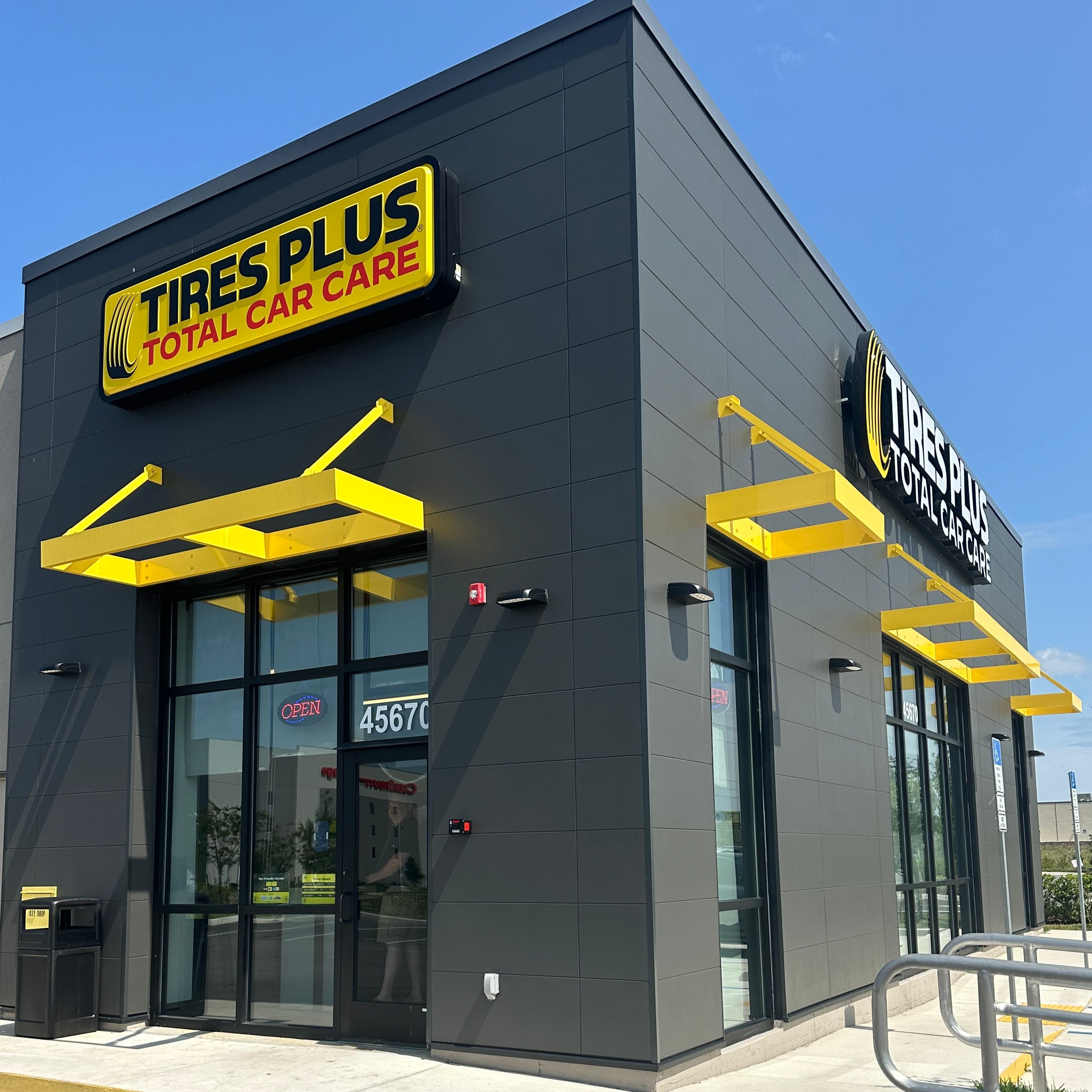



Why Awnings Fail in Delaware — and What We Do Differently
Delaware runs only about ninety-six miles top to bottom, and almost none of it is out of reach of salt. On the Atlantic side the design event is not the hurricane, it is the nor'easter: a slow coastal low that parks offshore and drives thirty-five to fifty-plus mile-per-hour onshore wind for a day and a half at a stretch, carrying dune sand and salt aerosol several blocks inland at Rehoboth, Dewey, Bethany, and Fenwick. The sand scours the paint film thin, then chlorides get into the bare spot, and the failure shows up first at the cut edges and fastener heads. Move inland toward the Delaware Bay marshes, the Route 1 corridor, and the C&D Canal up to Wilmington and the damage is slower but steadier: high humidity plus seventy to ninety freeze-thaw cycles a winter, which means water works into any scratch on a steel frame, freezes, widens the opening, and lifts the coating from underneath. Wood pergolas and wood window hoods on Sussex County porches cup and split on the same schedule.
Our construction removes the failure paths rather than trying to out-coat them. The frame is all aluminum — no rust chemistry at all. Every fastener is stainless steel, which matters most within a few blocks of the beach where a plated screw will bleed within a season. The architectural powder coat covers 100 percent of the surface, top and bottom and every cut edge, so wind-borne salt and sand never reach bare metal. And because a nor'easter loads a wall for thirty-six hours rather than two, the mounting detail matters more than any single gust number: tell us the wall type and how exposed the elevation is and we will spec the anchoring for it and ship drawings with the unit. We do not publish a wind rating against Delaware's code — we build to your site and give your contractor or your town what they need to review it.