


Engineered for Pennsylvania Winters
Pennsylvania punishes awnings in three separate ways, and a fabric unit usually fails to all three. The first is raw snow load. The lake-effect belt off Lake Erie buries Erie under roughly a hundred inches a season, and the Poconos, the Endless Mountains above Scranton, and the Laurel Highlands southeast of Pittsburgh hold snow on a surface for weeks at a time. Fabric stretches under that weight, pools, and tears at the seams. The second is freeze-thaw. Most of the state cycles above and below freezing dozens of times each winter; meltwater wicks into a seam or a fastener hole, freezes overnight, expands, and slowly works the joint apart. The third is chemistry — Pennsylvania spreads a great deal of rock salt and brine, and along city streets in Philadelphia and Allentown that brine gets thrown onto every low awning, door hood, and storefront canopy at the curb line.
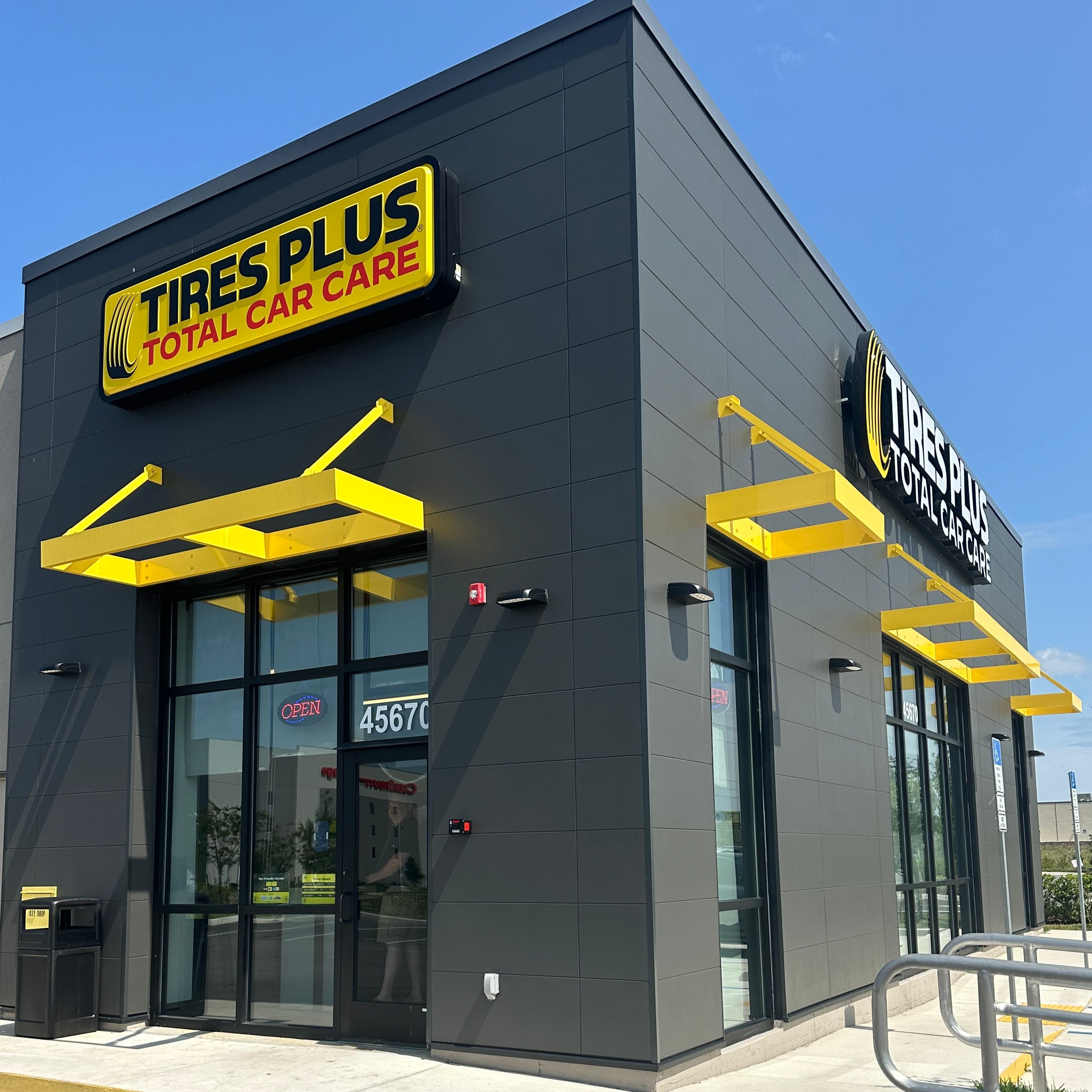
Our construction answers all three at once. The frame and the panels are aluminum, so there is no steel to rust and no wood to rot when the melt cycle soaks it. Every fastener is stainless steel, which matters more in a salt-brine environment than most buyers realize — plated or galvanized screws are usually the first thing to bleed rust down a wall. And the architectural powder coat covers 100% of the surface: top, bottom, and all edges, including the underside that faces the sidewalk and takes the road spray. A rigid aluminum panel also sheds snow instead of holding it, and it does not stretch or sag when a wet March snow sits on it for a week. We do not publish a snow-load rating for another state, but we do spec framing, gauge, and mounting to the exposure you describe, and we supply drawings so your contractor or engineer can confirm the attachment.