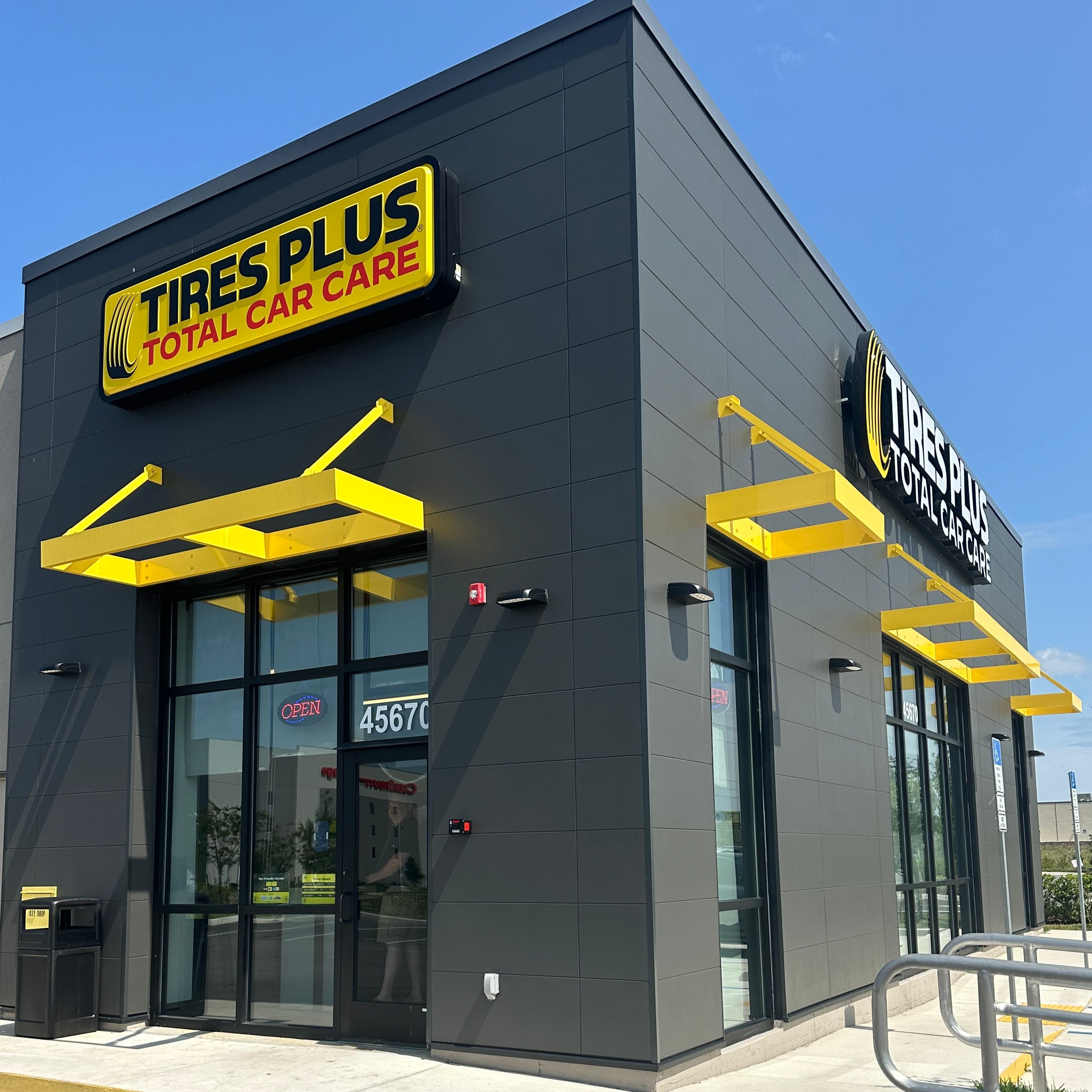



Engineered for New York's Climate
No other state we ship to asks an awning to do so many different jobs. Upstate, the problem is snow — and not ordinary snow. When cold air crosses open water on Lake Erie and Lake Ontario, the lake-effect bands that come ashore over Buffalo, the Tug Hill Plateau, Syracuse, and Rochester can drop snow measured in feet rather than inches over a single multi-day event, and those cities routinely finish a season past a hundred inches. Sustained load is the failure mode: fabric stretches, water pools in the belly, the pool refreezes, and the seams let go. In the Adirondacks and the Catskills you add weeks-long snowpack and ice that slides off a steep roof onto whatever is mounted below it. Statewide, the freeze-thaw cycle drives meltwater into every seam and fastener hole and then expands it.
Downstate the threat flips to corrosion. Nor'easters push salt-laden air across the South Shore of Long Island, the Rockaways, Coney Island, and the shorefront of Westchester and the Sound, and New York City salts its streets aggressively — so a storefront awning or a low door canopy in Brooklyn takes brine spray from passing traffic and slush from November to March. Our construction answers both halves of the state with one spec: all-aluminum framing and panels with no steel to rust and no wood to rot, stainless steel fasteners at every connection, and architectural powder coat over 100% of the surface including the underside and every cut edge — which is precisely where salt settles and where cheaper awnings begin corroding. A rigid aluminum panel also sheds snow rather than holding it. We do not publish a snow-load number or a code approval for New York; we build to the exposure you describe and supply drawings so your contractor or engineer can confirm the attachment for your site.