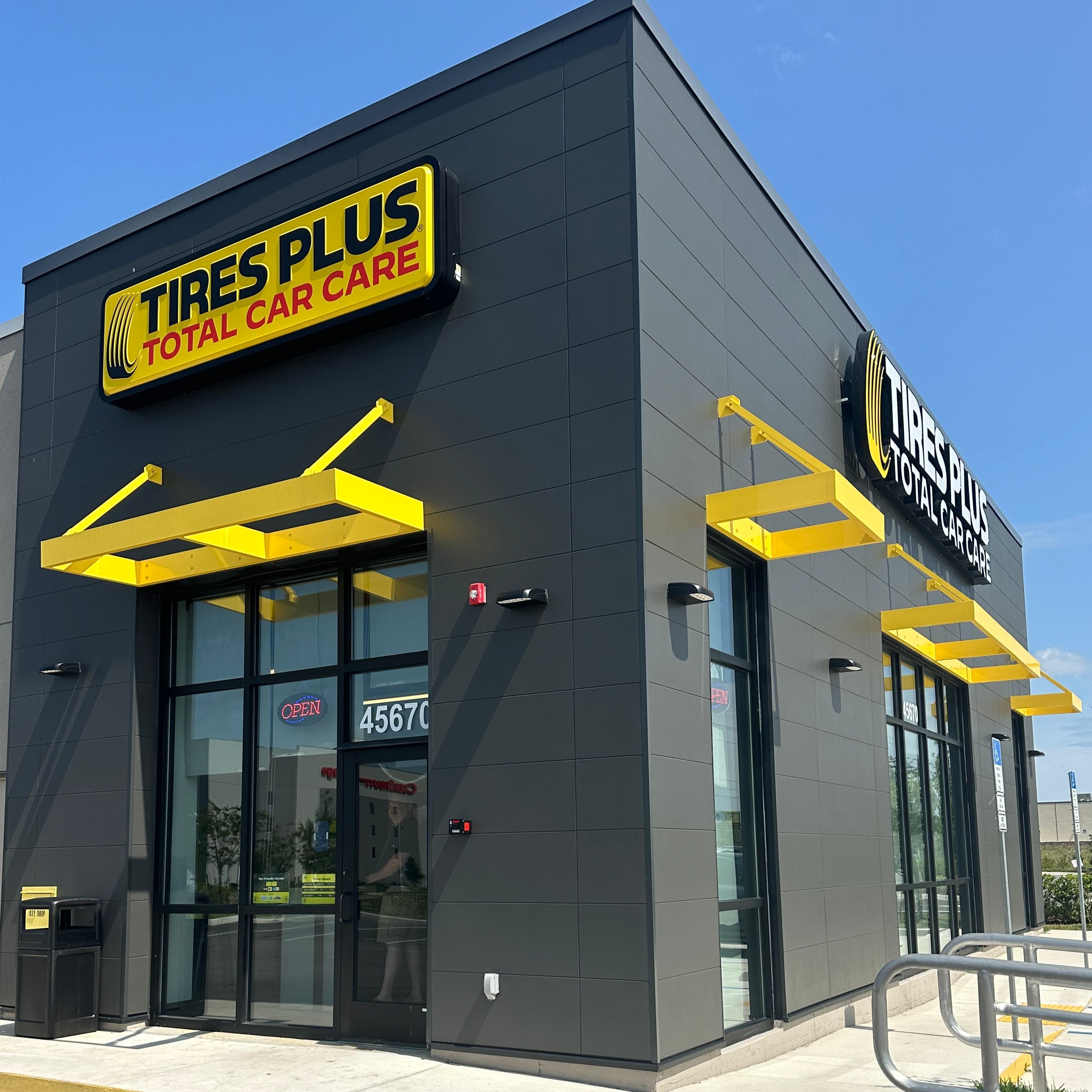



Built for Alabama Heat, Rain, and Gulf Salt
Alabama runs roughly 330 miles from the Gulf to the Tennessee line, and an awning has to survive a different fight at each end. Down in Mobile and Baldwin County you are in one of the wettest places in the continental United States — Mobile averages well over 60 inches of rain a year — and that rain arrives as afternoon convection that soaks a structure and then leaves it to steam in 90-percent humidity. Add salt aerosol drifting in off Mobile Bay and the Gulf beaches at Gulf Shores, Orange Beach, and Dauphin Island, plus a hurricane season that has repeatedly come ashore here, and steel hardware, staples, and crimped fabric frames start failing in a handful of seasons. Inland, around Birmingham, Tuscaloosa, Montgomery, Huntsville, and the Shoals, salt disappears but the UV load and heat index do not, and once or twice a winter a freezing-rain event glazes the I-65 and I-20 corridors and puts real weight on anything horizontal.
The failure mode we get called about most from Alabama is not dramatic — it is a fabric awning that has gone black. Mildew does not eat acrylic canvas directly; it colonizes the pollen, dust, and coating sitting on a surface that never fully dries, and in a Gulf South summer that surface never fully dries. Then the thread lets go at the seams and the steel or mild-alloy frame blooms rust at the crimp. We build the opposite: all-aluminum framing that cannot rust, stainless steel fasteners at every connection, and architectural powder coat applied to 100 percent of the surface — top, bottom, edges, and the underside where cheaper awnings are left bare and corrode first. There is nothing organic on the assembly for mildew to feed on, so a hose and a soft brush restore it. A rigid aluminum panel also sheds an ice glaze instead of pooling and stretching the way stretched fabric does. We spec projection, gauge, and mounting to your specific exposure — beachfront in Baldwin County is not the same job as a shaded Homewood back porch — and we supply drawings so your contractor or building official can review exactly what is going on the wall.