


One Product, Two Arkansas Climates
Summer in the Arkansas River Valley and the Delta is a UV and heat problem before it is anything else. Little Rock, Pine Bluff, Jonesboro, and West Memphis stack 95°F air on top of Delta humidity for weeks at a stretch, and a west-facing wall under that sun is absorbing solar gain all afternoon. Fabric is the material that suffers most: acrylic and vinyl-coated polyester chalk, fade, and lose tensile strength under sustained high UV, and the same heat that degrades the topcoat keeps the fabric damp-warm at night, which is ideal for mildew. Owners in Arkansas usually get four or five summers out of a fabric top before the color is gone and the hand feels brittle.
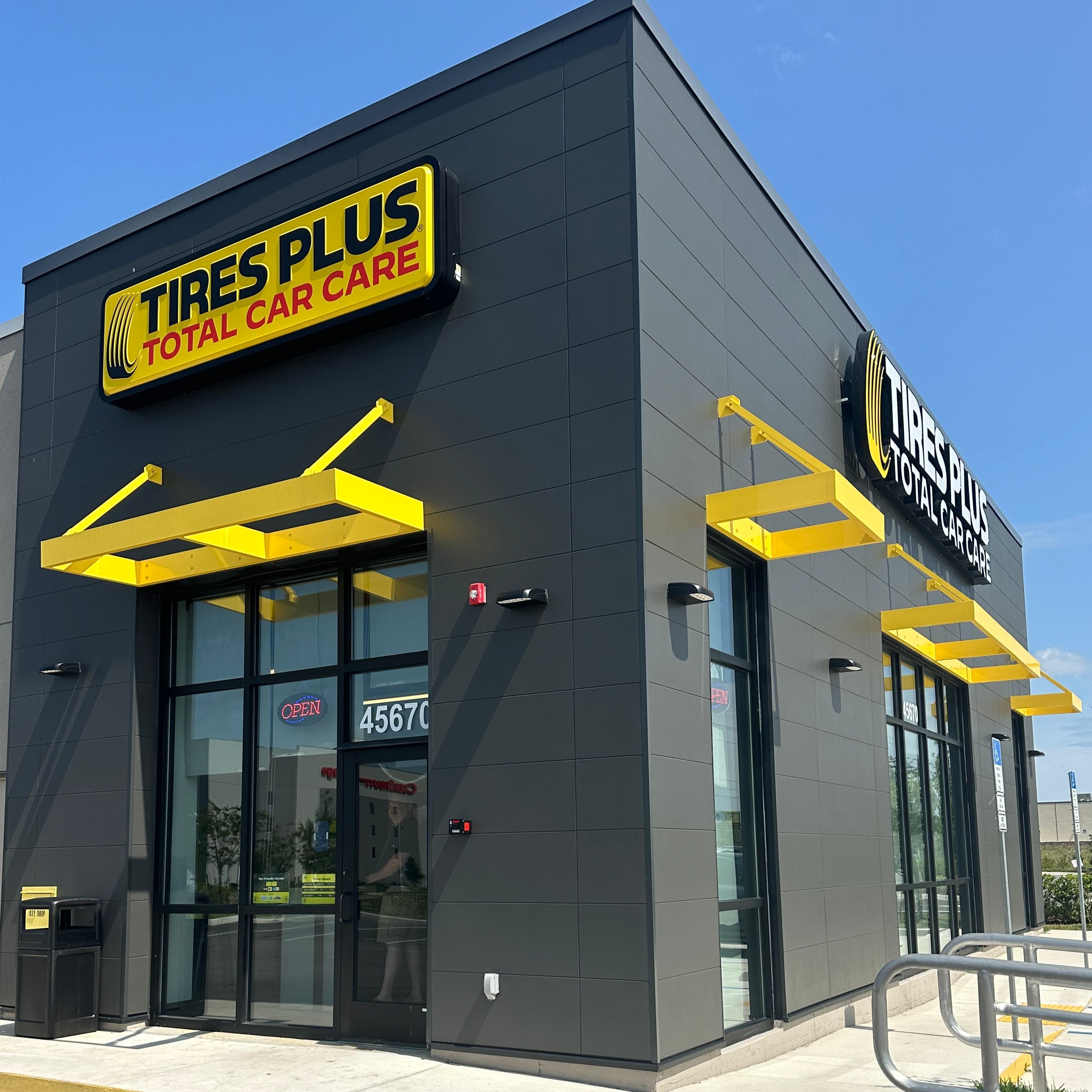
Winter reverses the test. The Ozark Plateau and the Boston Mountains — Fayetteville, Rogers, Harrison, Mountain Home — sit in the zone where winter storms arrive as freezing rain, and Arkansas has taken statewide glaze events severe enough to bring down mature timber. A quarter inch of ice is a real vertical load, and it lands on a structure that has already been through fifty or sixty freeze-thaw crossings since November, each one working moisture deeper into any seam, joint, or coating flaw. Fabric ponds and tears; wood swells and checks; painted steel rusts out from the weld. Our construction sidesteps the whole sequence: extruded and welded aluminum that does not rust, rot, absorb water, or go brittle in the cold, stainless steel fasteners at every connection, and architectural powder coating over 100% of the surface — top, bottom, and every cut edge — which is both a UV-stable finish for a Delta July and a sealed one for an Ozark January. Spring hail and the straight-line wind that comes with Arkansas severe-weather season meets a rigid frame, not stretched cloth. We size projection, pitch, and anchoring to your exposure and supply drawings with the order.