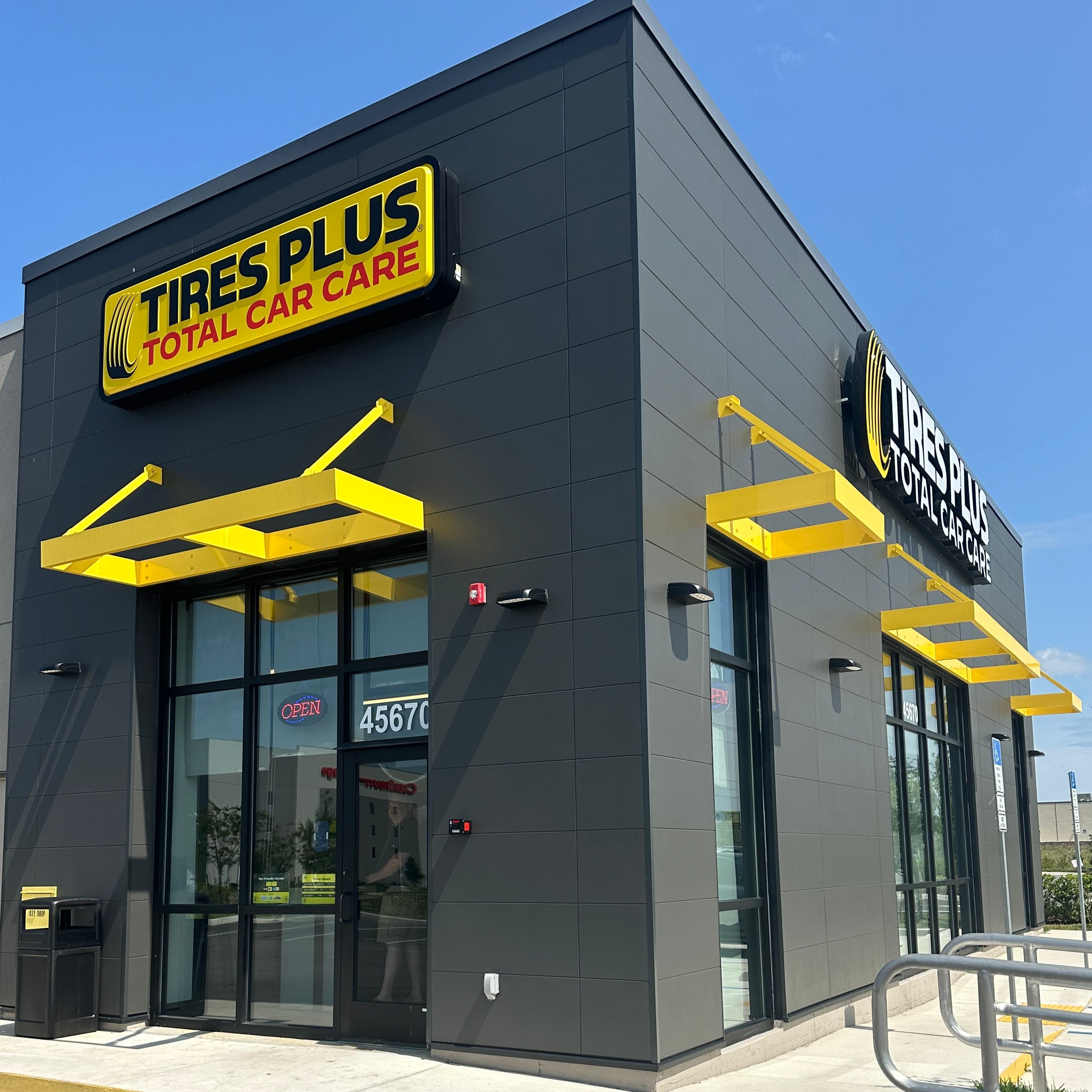



Built for the Front Range Hail Belt and High-Altitude UV
Two things wreck exterior shade in Colorado, and almost nobody plans for both. The first is hail. The corridor running from Fort Collins and Loveland down through Longmont, Boulder, and the Denver metro to Colorado Springs and Pueblo is one of the costliest hail regions in the United States — the May 2017 storm that swept the west Denver suburbs remains the most expensive insured catastrophe in Colorado history. The Palmer Divide, that ridge of high ground between Denver and Colorado Springs, does a lot of the damage all by itself, lifting summer storms just enough to grow stones on their way north and south. Fabric awnings in this corridor are consumables: one bad June afternoon and the acrylic is perforated, the seams are split, and the frame is bent where a pooled load of slush finished the job. Add the downslope Chinook windstorms that come off the foothills at Boulder and Golden, snow load in Steamboat, Vail, Breckenridge, and Durango, and better than a hundred freeze-thaw cycles a year on the plains, and soft materials do not stand a chance.
The second problem is the one people notice a year later: ultraviolet. Ultraviolet intensity climbs roughly four to five percent for every thousand feet of elevation, so Denver at 5,280 feet is already punishing and a house at 8,500 feet in Summit County is in another category entirely — with roughly 300 sunny days behind it. Wet-painted steel, thin coil coatings, and dyed fabric chalk and fade visibly within a couple of Colorado seasons; a dark bronze goes flat purple-gray, and a red goes pink. Our answer is a powder-coated all-aluminum unit. Aluminum cannot rust when the snow melts into the connection, stainless fasteners survive the freeze-thaw cycling, and the architectural powder coat is baked onto 100 percent of the surface — top, bottom, edges, and the underside nobody else bothers to coat — which is what actually holds color at altitude. Extruded aluminum decks dent under a hailstone instead of tearing open, and a pitched aluminum canopy sheds snow rather than cradling it. We do not publish a snow-load or wind number for another state; instead we ask about your elevation, roof geometry, and exposure, spec the frame and anchoring to it, and send drawings your local engineer or building department can review.