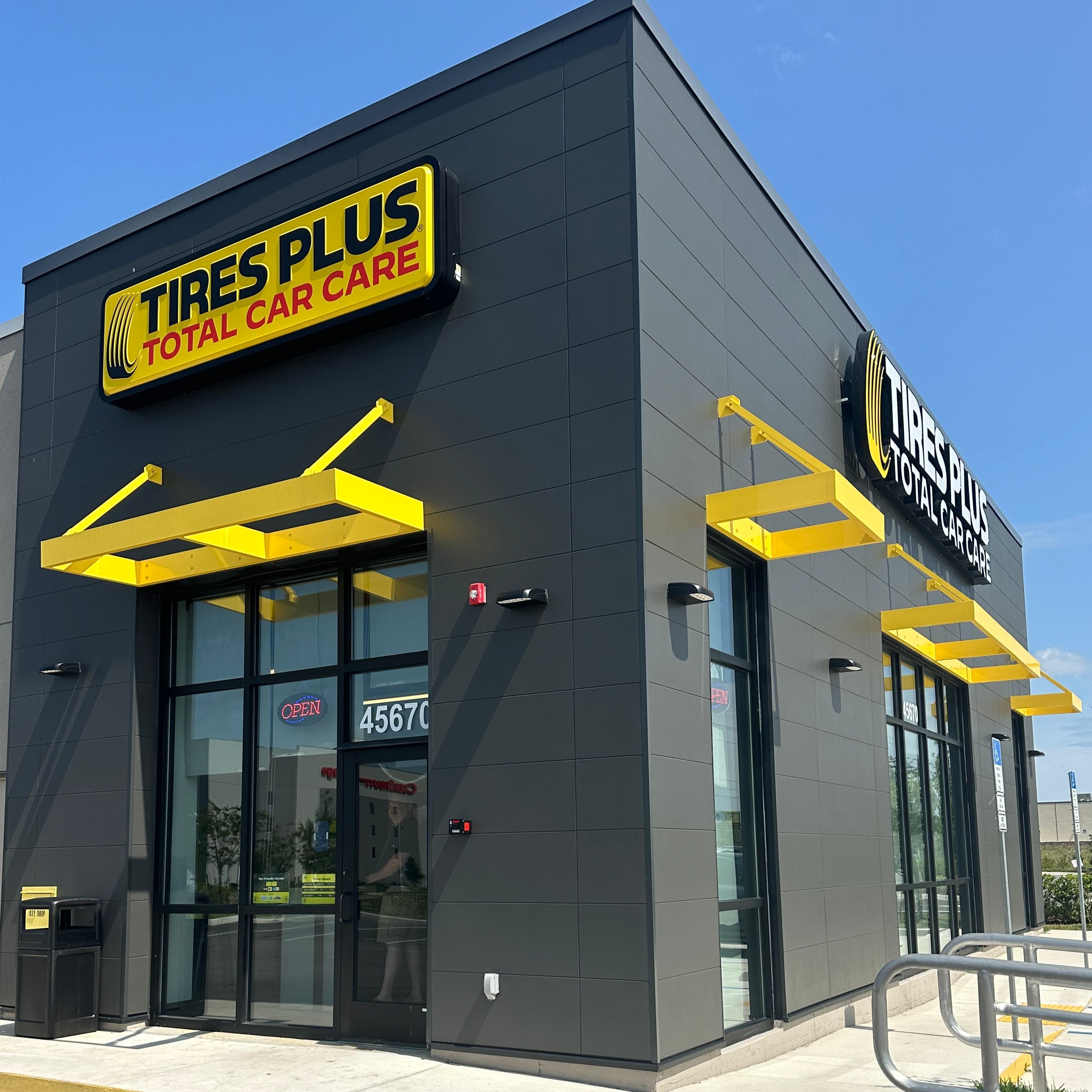



Built for Treasure Valley Heat, Wildfire Season, and Panhandle Snow
Idaho hands an awning three separate assignments. The Treasure Valley — Boise, Meridian, Nampa, Caldwell, Eagle, Kuna, Star — is high-desert steppe that gets roughly a foot of precipitation a year and stacks up 95 to 100°F afternoons in July and August under thin, dry, very bright air. It is also one of the fastest-growing metros in the country, which means a great deal of new south- and west-facing glass on houses built with almost no roof overhang. Then comes late summer. Smoke and ember cast are a routine part of the Idaho calendar, and homes in the Boise Foothills, Hidden Springs, Harris Ranch, and up the Wood River Valley sit squarely in the wildland-urban interface, where a fabric awning is a combustible surface bolted to the wall directly under the eave. Aluminum is non-combustible; an ember that lands on it does nothing at all. Finally, go north or east — Coeur d'Alene, Post Falls, Sandpoint, Moscow, Rexburg, Ketchum — and the assignment changes again to heavy wet snow and five months of freeze-thaw.
One kind of construction answers all three. The frame is extruded aluminum, so there is nothing to ignite, nothing to rot, and nothing to photodegrade. Every fastener is stainless steel, which keeps freeze-thaw cycling from starting corrosion inside a penetration the way it does with plated hardware. The architectural powder coat covers 100% of the surface, top, bottom, and every cut edge, so the underside is not left bare to weather. Fixed aluminum awnings and standing-seam canopies shed snow instead of ponding it, and nothing has to be stripped off in October and re-hung in May. For high-snow addresses like Sandpoint, Ketchum, Driggs, and Island Park we adjust frame members, bracket spacing, and post count to the ground snow load and exposure you provide, supply drawings for your local building department, and will tell you to keep the unit clear of a metal roof's shed path — which is where most mountain-town canopies actually get destroyed.