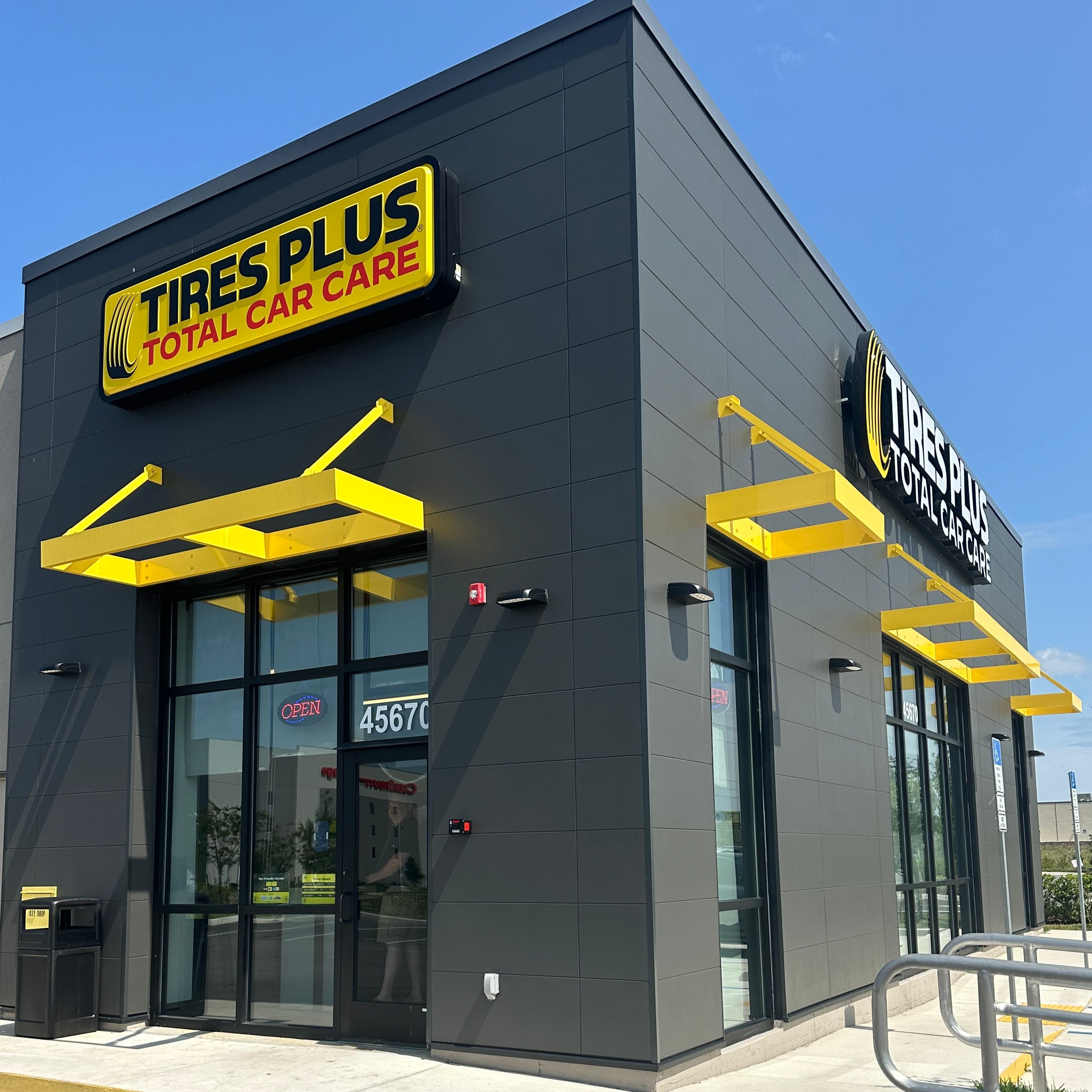



Engineered for Illinois Winters and Chicago Wind
Illinois destroys awnings in two ways, and neither one is heat. The first is freeze-thaw cycling. A typical Illinois winter swings back and forth across 32 degrees dozens of times between November and March. Water wicks into the stitched seams of a fabric awning, freezes, expands, and works the thread loose; wet March snow ponds in the fabric until the arm bends or the valance tears out. Steel-tube frames fail differently and more quietly — condensation collects inside the tube, the coating blisters at a weld, and rust streaks the brick below by the second spring. The second problem is wind. Along the lakefront and through the downtown canyons, gusts get channeled and reversed off tower faces, and out on the open prairie between Bloomington and Kankakee there is nothing to slow them down at all. A retracted fabric awning is a sail; a fixed aluminum one is a roof.
We answer both with metal, not cloth. The frames and covers are all aluminum, so there is no ferrous metal to rust and no ductile-to-brittle transition the way carbon steel has — the extrusion is just as tough at 5 degrees as it is in July. Every fastener is stainless steel, which matters more in Illinois than most people expect, because the corrosive agent here is not sea salt but the road salt and brine spray that coats every street-facing and alley-facing wall from December through March. Our architectural powder coat covers 100% of the surface, including the underside and the cut edges where salt-laden slush actually collects. A solid, pitched aluminum panel sheds snow instead of holding it. Tell us your exposure — your local ground snow load figure, your mounting height, whether a roof plane above will dump onto the unit — and we will spec the rib gauge and bracing to it and send drawings you or your village building department can review.