


Engineered for Indiana's Two Different Winters
Indiana stretches close to 300 miles north to south, and an awning in Michiana lives a very different life than one in Evansville. Up in the northern tier — South Bend, Mishawaka, Elkhart, La Porte, Michigan City — the state sits directly under Lake Michigan's southeastern lake-effect band, and a bad season buries the area under five or six feet of dense, wet snow that accumulates rather than sheds. Down along the Ohio River the totals are a fraction of that, but the trade is worse in its own way: temperatures that cross the freezing line back and forth all winter instead of staying frozen. Freeze-thaw is the quiet killer. Meltwater wicks into fabric seams, stitching holes, and any steel fastener penetration, freezes overnight, expands, and levers the assembly open a thousandth of an inch at a time until a seam gives out in the third or fourth spring.
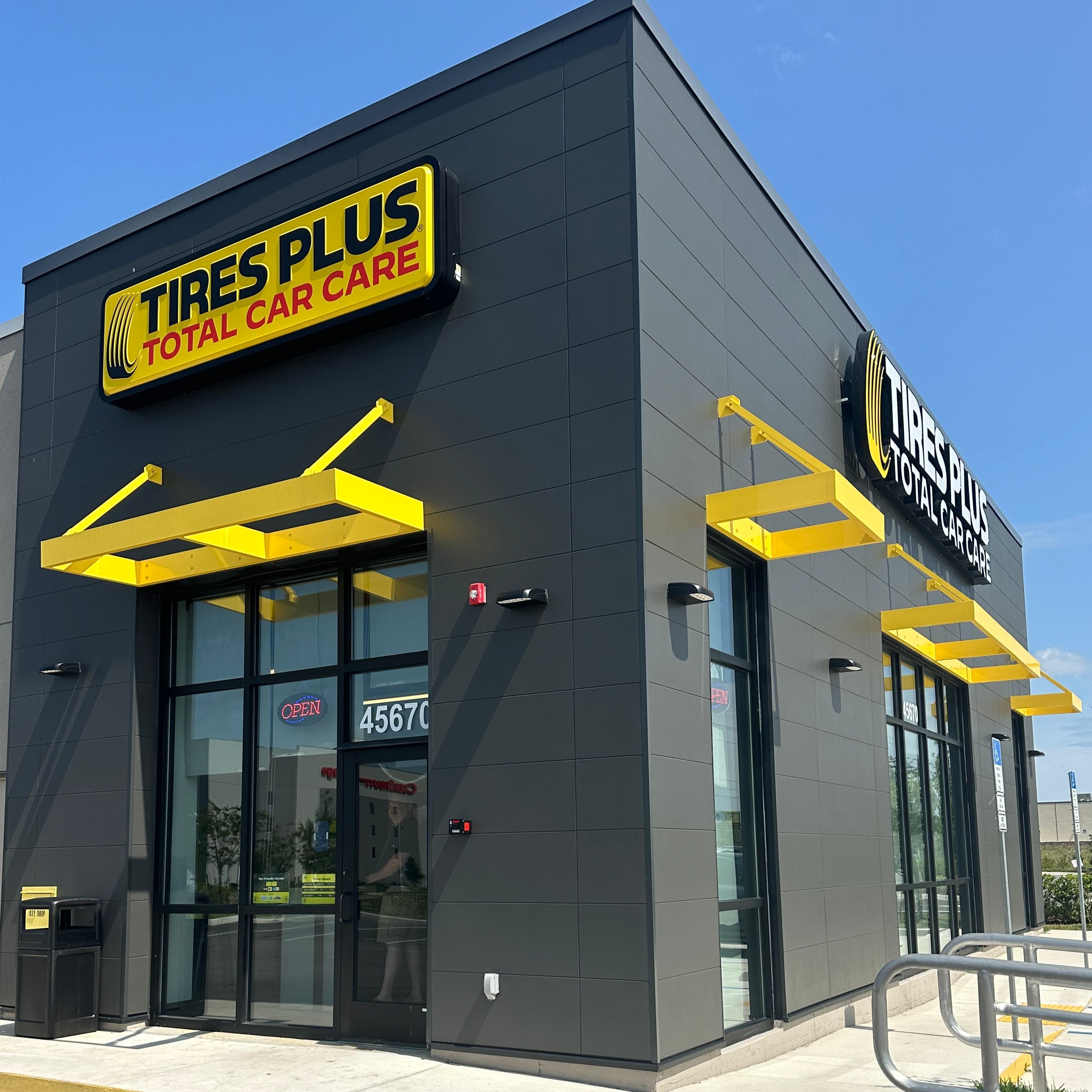
Indiana also sits in the corridor where squall lines and the occasional derecho track east out of Illinois, so straight-line wind and hail belong on the list alongside snow, and every county road gets salted from December through March. Our construction removes the things all of that attacks. The frame is all-aluminum, so there is no rust at a weld or a bolt hole. Every fastener is stainless. The architectural powder coat is applied to 100% of the surface — top, bottom, and every cut edge — which matters most on the underside of a storefront awning, where brine mist thrown by traffic collects and where cheaper units are left bare. There is no fabric, so nothing sags, ponds, or tears at a stitch line. Retractable models pull flat to the wall in seconds, so you close ahead of a wind event and leave it closed through the winter. On fixed canopies we spec framing and rafter spacing to the exposure you describe and supply drawings for your own engineer or building department rather than advertising an Indiana code approval we did not obtain.