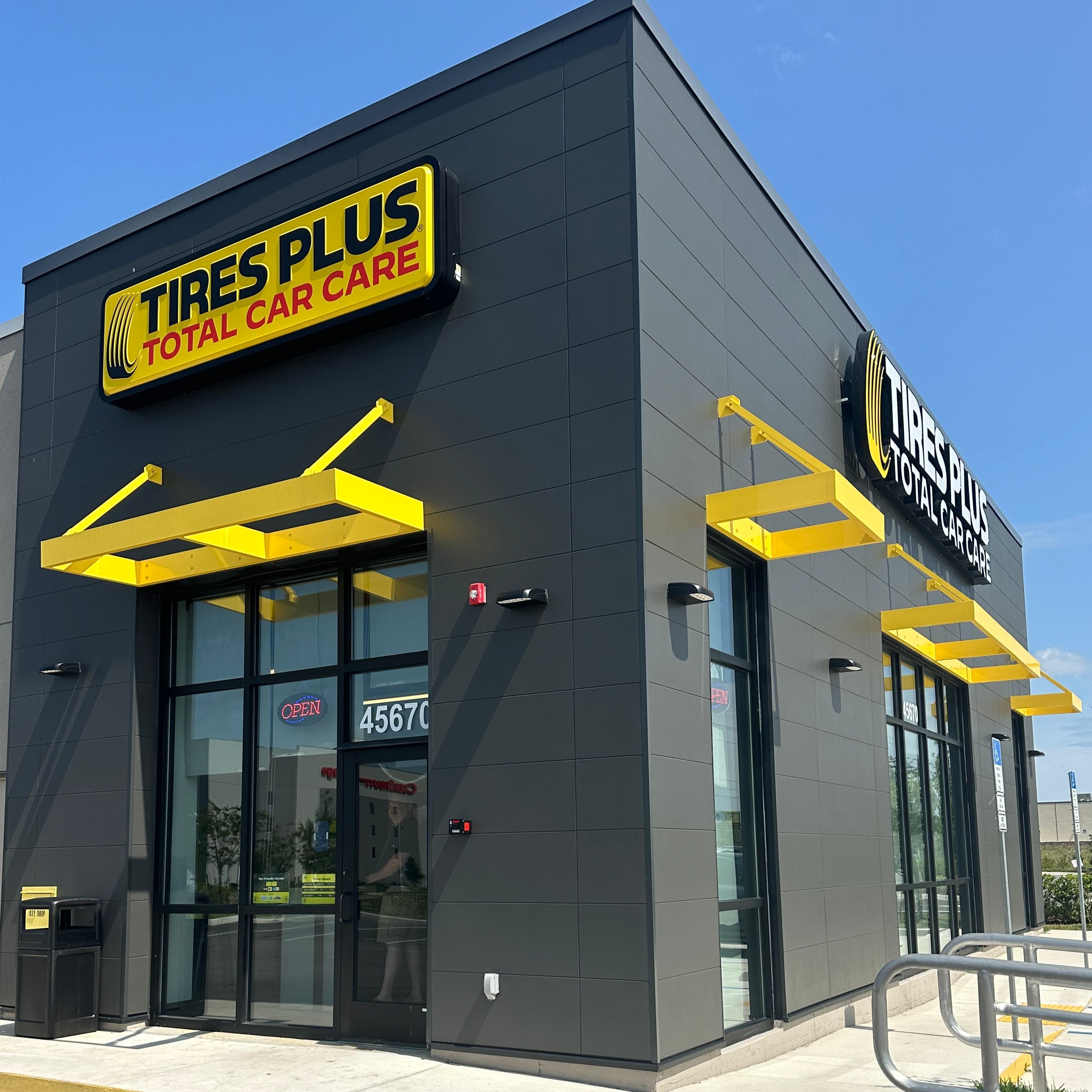



Engineered for Iowa's Climate
Iowa punishes outdoor structures in two completely different ways, six months apart. In summer the state sits in the corridor where thunderstorm complexes organize and run east across open farm ground, which is how derecho-force straight-line wind became part of the vocabulary here — the August 2020 event that flattened corn from Boone to the Cedar Valley is the reason most Iowans know the word at all. Straight-line wind is a different load than a gust front hitting a wooded suburb: there is nothing between the field edge and your deck to slow it down, and a fabric awning in that setting is simply a sail bolted to your siding. It does not tear in the middle. It levers its mounting hardware out of the wall and takes the sheathing with it.
Then winter arrives and the failure mode inverts. Des Moines and Cedar Rapids cross the freeze line dozens of times between November and March. Water wicks into fabric seams and stitch holes, freezes, expands, and works the thread loose; the vinyl laminate stiffens and goes brittle below zero, so the same panel that flexed in July cracks in January. Wet snow and freezing-rain glaze pool in the sag and stretch the fabric permanently. Steel-framed awnings survive the load but not the chemistry — every chipped spot and every fastener penetration starts weeping rust after two or three freeze-thaw seasons, and sidewalk de-icer accelerates it on storefront canopies.