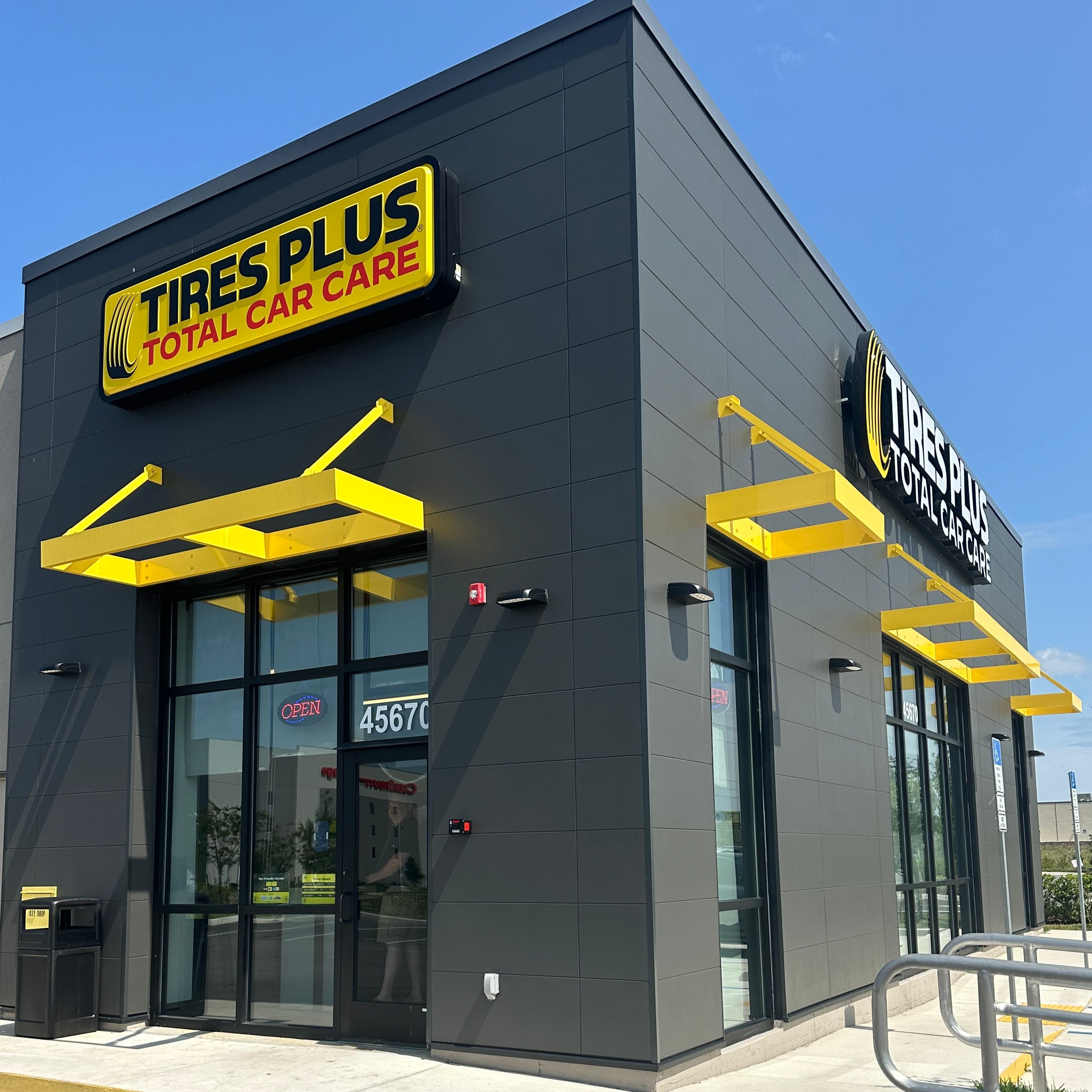



What Kansas Weather Actually Does to an Awning
Most states test a shade structure a few times a year. Kansas tests one every afternoon. There is a reason the state is covered in wind turbines: sustained prairie wind across the Flint Hills, the Smoky Hills, and the High Plains is a constant, and constant wind is a fatigue load, not a shock load. A fabric awning does not fail in Kansas because one gust exceeds its rating — it fails because it flutters. Flutter abrades the fabric against every crossbar it touches, chews out the stitching at the hems, and slowly walks lag bolts out of wood framing until one spring squall finds the loose one. Then there is the convective season from April through June, when the same corridor that gives Kansas its tornado reputation delivers straight-line downbursts and hail, and hail is what actually ends most fabric shade on the plains: one afternoon of stones punching through a top and the unit is out of service until it is re-skinned.
The sun and the grit finish the job. Western Kansas sits high and dry — Hays, Dodge City, Garden City, and Goodland climb toward the Colorado line, where thin, dry air means punishing UV. Acrylic and vinyl tops chalk, fade, and lose their coating there faster than the same fabric would in Kansas City. Blowing dust and field grit sandblast whatever finish is exposed, which is why wet paint over steel does not last on the west side of the state: once the film is cut, water gets to steel and the rust starts at every scratch and every fastener hole. Then winter brings ice storms and a hard freeze that stiffen fabric and load anything with a sag in it.