


Three Maryland Climates, One Construction Spec
Very few states pack this much environmental variety into a two-hour drive. On the water — Annapolis, Kent Island, St. Michaels, Solomons, and every creek off the Severn, Chester, Choptank, and Patuxent — the Chesapeake produces a brackish salt aerosol that is milder than open ocean but works on metal every single day, and it reaches well inland up the tidal rivers. Out at Ocean City, Assateague, and Fenwick Island the exposure is full Atlantic: nor'easters that sit offshore for a day and a half pushing salt spray and dune sand horizontally into every west-facing wall, which sandblasts thin paint and then lets chlorides into the bare spot. Along the Baltimore–Washington corridor and out toward Frederick and Hagerstown, the enemy is quieter but just as reliable — the region crosses freezing on the order of a hundred times a winter. Water gets into a scratch on a steel awning frame, freezes, jacks the coating off from underneath, and by year four the frame is weeping rust down brick. Wood pergolas and wood door hoods cup and split on the same cycle. Out in Garrett County around Deep Creek Lake, add a hundred inches of upslope snow to that.
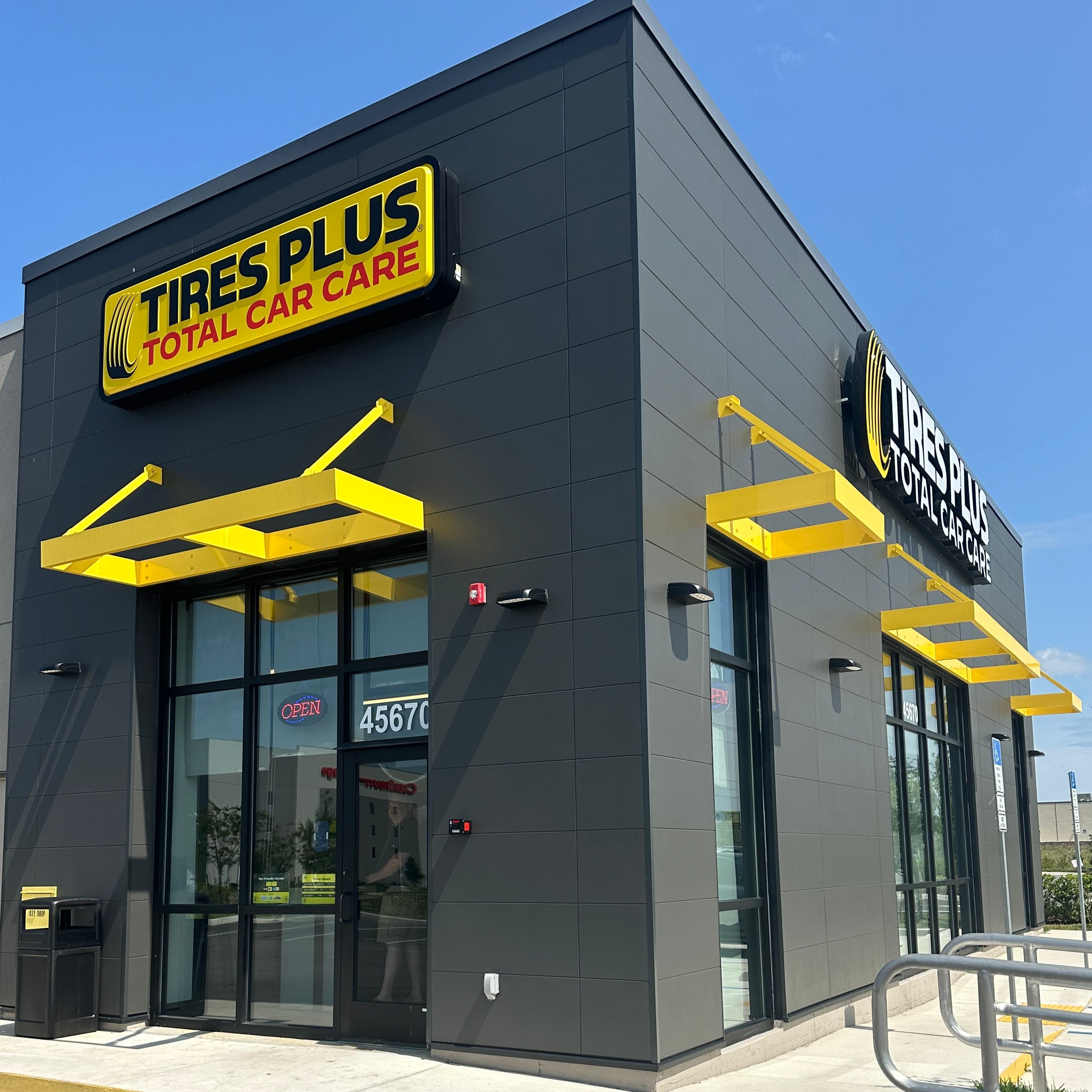
We build one spec that answers all three. Frames are all aluminum, which has no rust chemistry to begin with. Every fastener is stainless steel, so nothing bleeds a rust streak onto a Federal Hill brick front. The architectural powder coat is applied to 100 percent of the surface — top, bottom, and every cut edge, including the underside where budget awnings are left raw and chlorides always start. For a nor'easter what matters is not a peak gust number but a day and a half of repeated loading on the fasteners, so we spec the mounting to your actual wall type and exposure and send drawings with the unit. We do not publish a wind rating for Maryland's code — we build to your site and give your contractor or permit office something to look at.