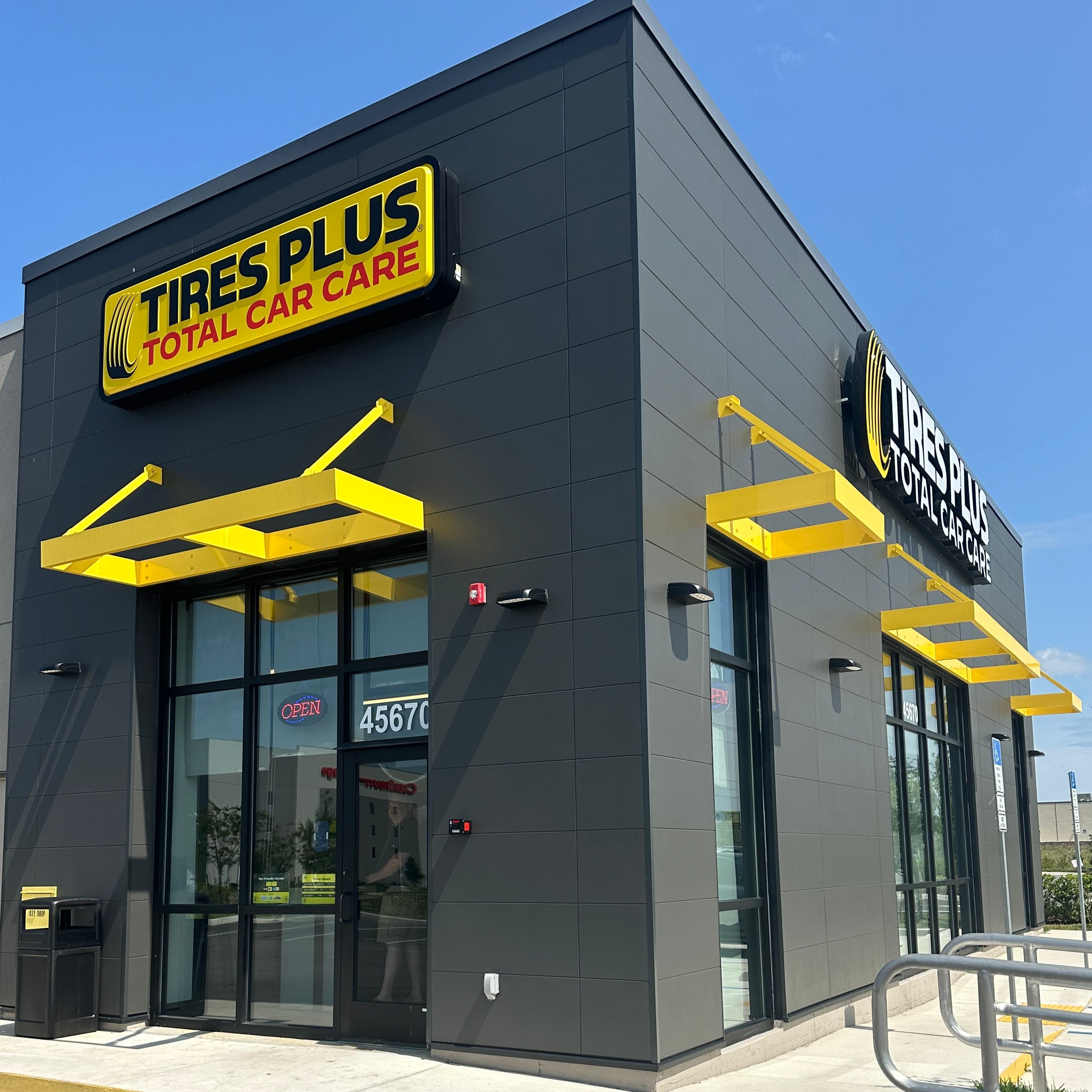



Why Aluminum Wins a Minnesota Winter
Minnesota puts a wider annual load on exterior hardware than almost anywhere else in the country. A Twin Cities year can run from 95 degrees in July to 25 below in January — a 120-degree swing that every joint, fastener, and coating has to absorb, over and over, without opening up. Up on the Arrowhead and the Iron Range, from Ely and Virginia to International Falls, the cold end goes deeper still. Three things break under that. Fabric goes first: acrylic canvas stiffens as it cools, the stitched seams abrade against a rigid frame every time wind loads them, and a retractable that was not rolled in before a wet December snow will not survive the ice that forms on the front bar. Steel is second: carbon and low-alloy steels have a ductile-to-brittle transition temperature, meaning a steel frame that is perfectly tough at 60 degrees can fracture rather than bend under an impact load at 20 below — and an impact load is precisely what a Minnesota eave delivers when the ice dam that formed over January finally releases onto whatever is mounted underneath. Third is the roof above: sheets of snow sliding off a standing-seam metal roof, which half the state has, hit a lower awning like a dropped load, not a static one.
Aluminum has no ductile-to-brittle transition. Its toughness holds and in fact increases as temperature falls, so a canopy in Grand Marais at -25 behaves the way it behaves in Bloomington in June. We build the whole assembly out of it — frame, panels, gutters — with stainless steel fasteners at every connection, which solves the second Minnesota problem: no rust bleed streaking down stucco or Chaska brick, and no galled, seized hardware when someone has to take a section down years later. Aluminum expands and contracts about twice as much per degree as steel does, so with a 120-degree working range we detail for that movement rather than pretending it does not exist. And the architectural powder coat wraps 100% of the surface, including the undersides and cut edges that see the most meltwater and the most winter road-salt spray. Tell us the exposure — your ground snow load, mounting height, what is above the unit — and we will spec gauge and bracing to it and send drawings; we do not issue Minnesota code approvals or published rating numbers.