


Why Fabric Awnings Do Not Last in Mississippi
Mississippi is among the most humid states in the country, and humidity is the quiet destroyer of exterior shade. Dew point sits in the seventies for months at a stretch from the Sound to the Delta, which means an awning surface stays damp overnight, gets hit with a convective downpour by mid-afternoon, and never gets the dry interval it needs. Mildew is the result. It does not digest the acrylic fibers themselves — it colonizes the pine pollen, Delta dust, and coating residue trapped on a permanently wet surface — and once it takes hold in Hattiesburg or Ocean Springs, no amount of scrubbing brings the fabric back. Thread rots at the seams next. Then the steel or thin-alloy frame under the fabric blooms rust where it was crimped. Down in Hancock, Harrison, and Jackson counties you add salt aerosol off the Mississippi Sound and a hurricane history the coast does not need reminding of, and the clock runs even faster.
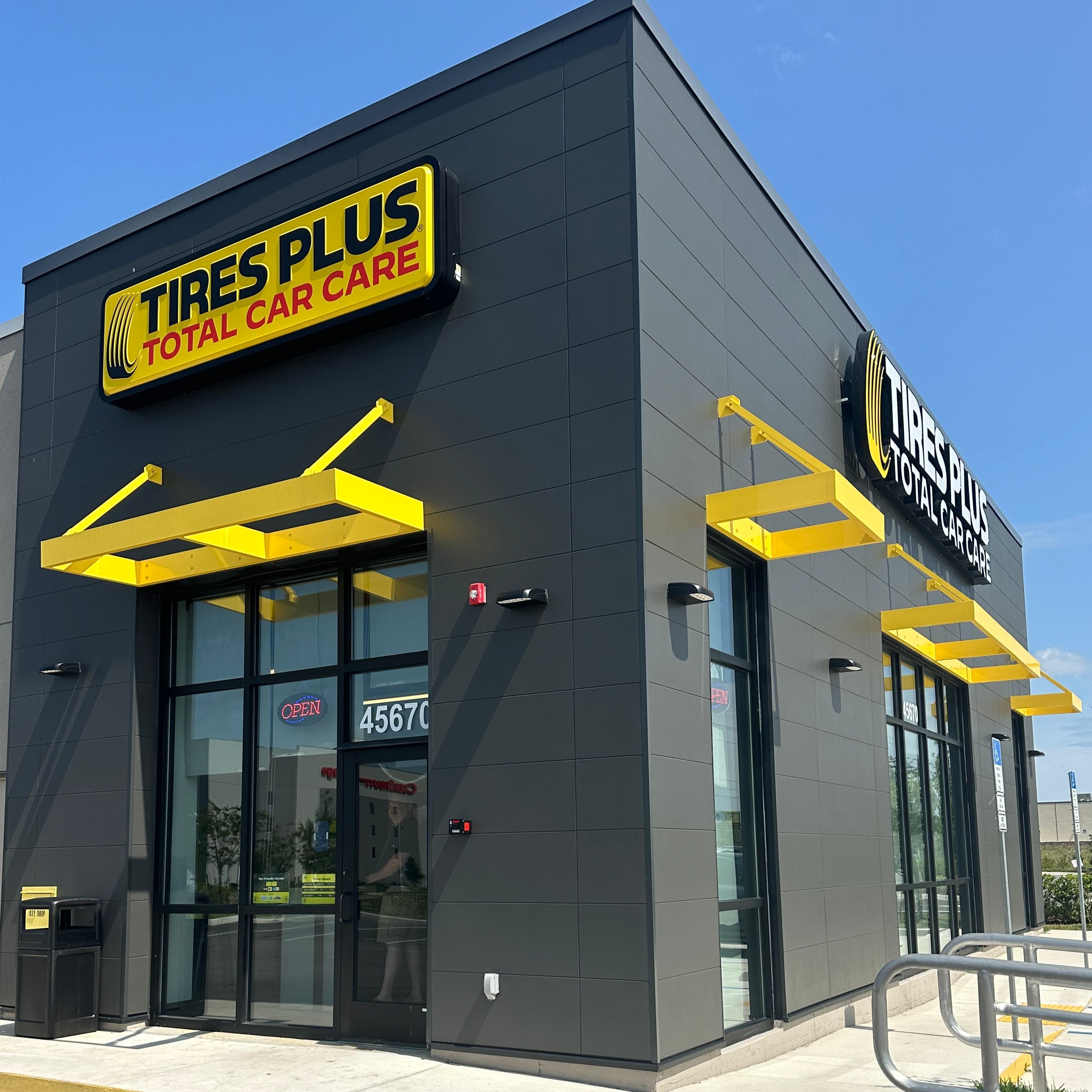
An all-aluminum awning simply removes every ingredient that failure depends on. There is no fabric to hold moisture, no thread to rot, and no steel to oxidize — aluminum framing cannot rust, every fastener we install is stainless, and our architectural powder coat covers 100 percent of the extrusion, including the underside and the cut edges where cheap awnings are left bare and start chalking within a season. Nothing in the assembly is organic, so mildew has no food source; a garden hose and a soft brush return a Gulfport unit to the color it left Tampa in. Inland, in the Delta and the Pine Belt, the same construction handles a different problem: unrelenting solar gain on flat, shadeless lots, where a properly projected awning over west and south glass cuts the heat before it reaches the window instead of after. For coastal work we spec projection, gauge, and attachment to your specific exposure and send drawings with the order — we do not quote a blanket wind number, because the honest answer depends on your site, mounting height, and substrate.