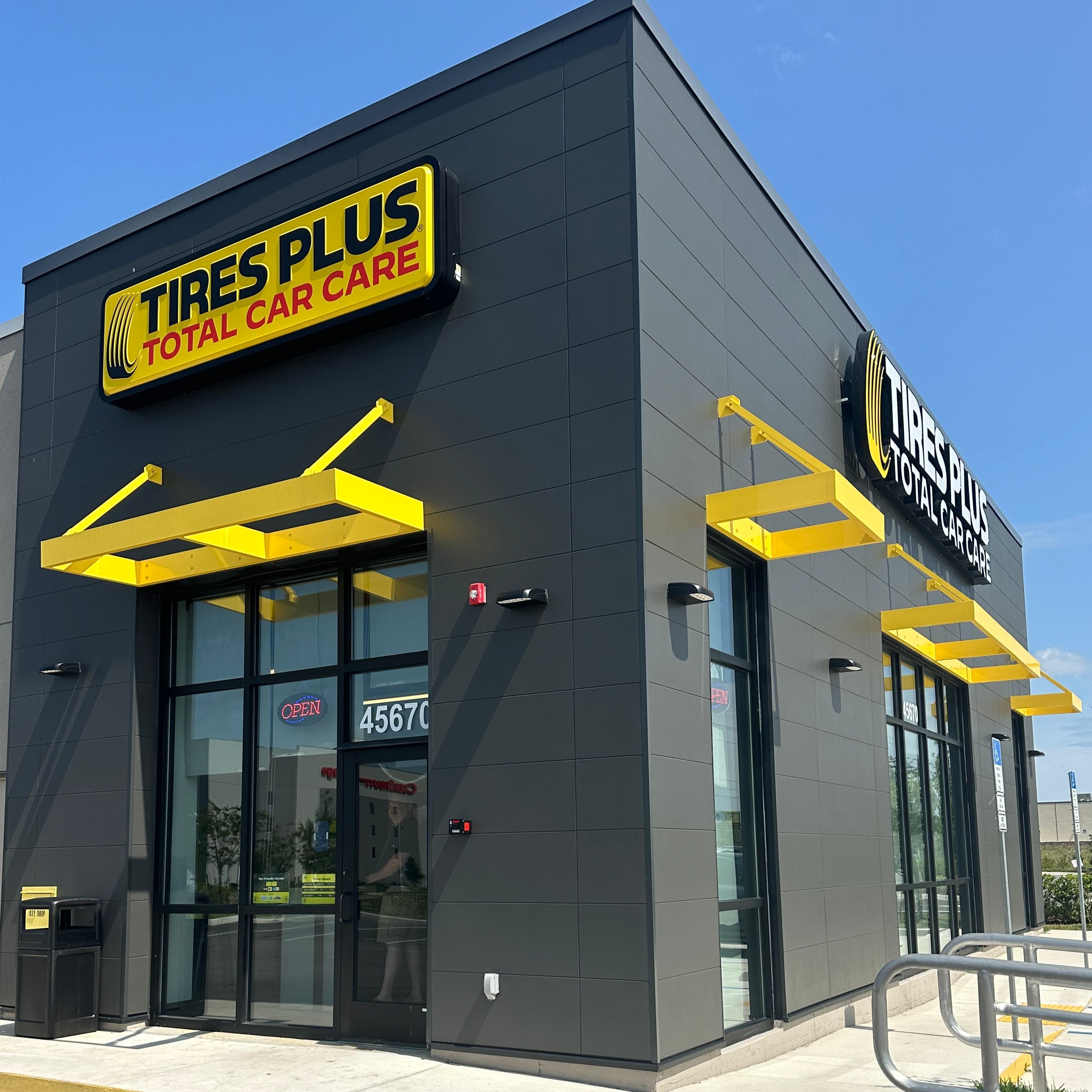



Built for Missouri's Whiplash Weather
Missouri sits where Gulf moisture running up the Mississippi collides with cold continental air, and outdoor structures pay for that collision. A dark awning surface in a 100-degree Springfield or Kansas City July can run far hotter than the air; the same surface can sit near zero in January under a freezing-rain glaze. That annual swing is the quiet killer of fabric shade. Vinyl-laminated and acrylic tops expand and contract against a polyester scrim that moves at a different rate, so the laminate eventually delaminates, stitching abrades at the seams, and the panel goes slack. Add the state's summer dew points and the shaded, permanently damp underside of a fabric awning becomes a mildew culture that no amount of scrubbing fully reverses.
Then there is the convective season. From late March through June the I-44 and I-70 corridors and the southwest corner around Springfield, Nixa, and Joplin take repeated rounds of severe storms, and hail is the single most expensive thing that happens to a shade structure. Hail does not weaken fabric gradually — it punctures it in one afternoon, and a torn top means the whole unit is out of service until the fabric is replaced. Hail that hits an extruded aluminum awning may leave a cosmetic dent; the pan still sheds water, the frame still carries load, and because the color is baked-on architectural powder coat over aluminum rather than wet paint over steel, a scar does not become a rust bloom. Ice storms make the same point in reverse: a rigid aluminum surface carries and sheds a glaze load that pools in a fabric sag until something tears out of the wall.