


Engineered for Montana's Climate
Montana is one of the hardest environments in the lower 48 for a shade structure, and it attacks the wrong material three separate ways. Snow comes first. The valley floors at Bozeman, Missoula, Kalispell, and Whitefish carry design ground snow loads many times what a Gulf Coast structure ever sees, and the benches and canyon sites above them go higher still. A fabric retractable left open under wet March snow does not tear so much as fold: the load pools at the center, the lateral arms take a bending force they were never designed to carry, and the assembly comes down. Wind is second. The chinooks that pour off the Rocky Mountain Front through Great Falls, Livingston, and the Paradise Valley arrive warm, dry, and relentless, and they gust past the thresholds that close I-90 to high-profile vehicles. Fabric flutters itself apart at the stitching; wood pergola rafters elongate their fastener holes and work loose. Ultraviolet is third, and it is the one people underestimate. Between roughly 3,000 and 7,500 feet the atmosphere above you is thinner, and acrylic canvas, vinyl, and stained cedar all chalk, fade, and check years earlier in Montana than the same products do in the Southeast.
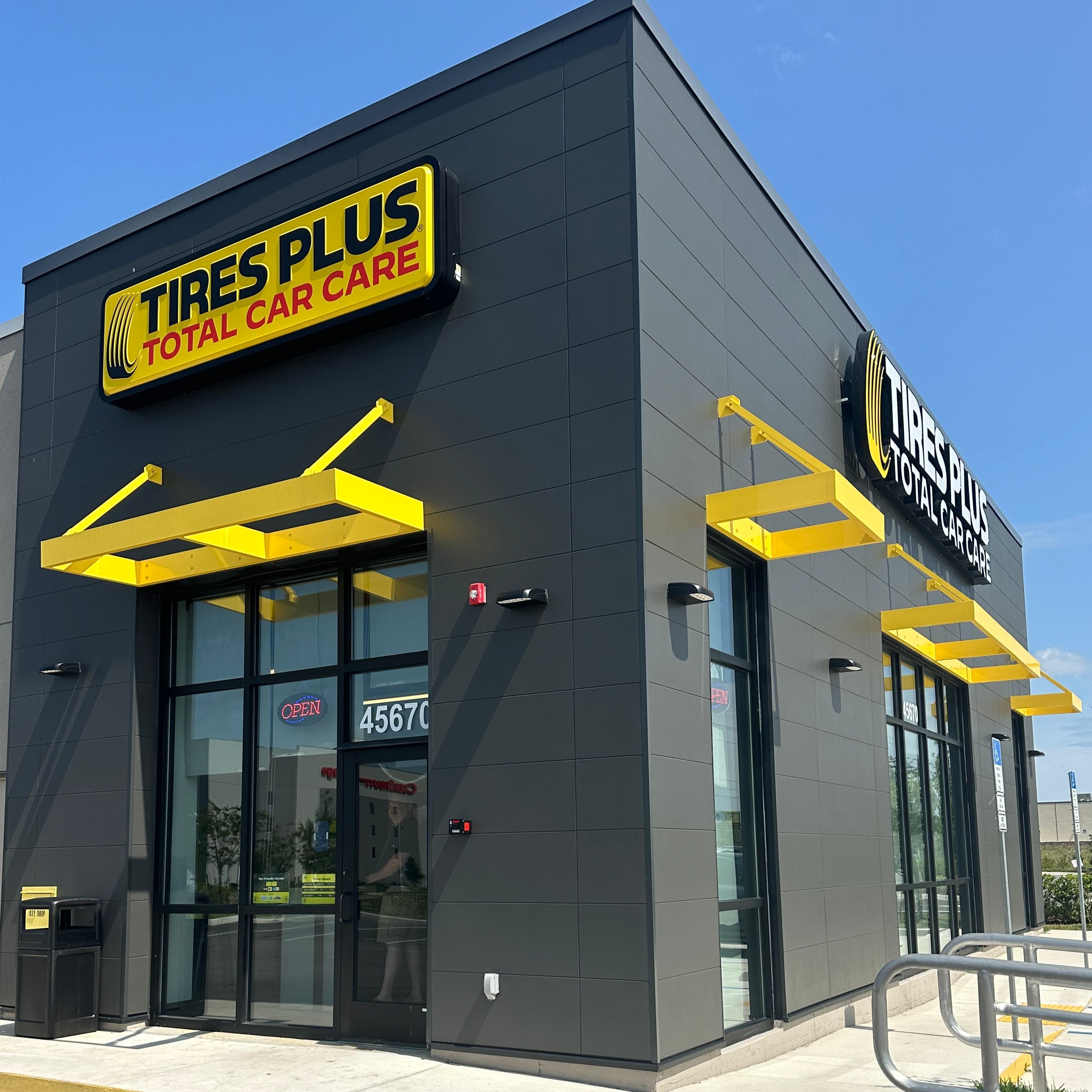
Our response is to take the organic materials out of the assembly entirely. Frames and covers are aluminum, which cannot rust, cannot rot, and is indifferent to the freeze-thaw cycling that opens splits in Montana timber every spring. Every fastener is stainless steel, so connections never bleed rust streaks down a stone veneer or board-and-batten wall. The architectural powder coat wraps 100% of the surface — top, bottom, and all four edges — which matters more at elevation than almost anywhere, because the underside of an awning is precisely where reflected UV off snowpack and blowing ice crystals find a partially coated panel first. For sites with real accumulation we steer customers toward fixed aluminum awnings, structural canopies, and rigid pergolas rather than retractable fabric, and we build each unit to the exposure you describe and supply drawings so your contractor, engineer, or building department can review the attachment against local load requirements. We do not stamp a snow or wind rating on a unit sight unseen; we build to your conditions and hand you the paperwork to verify it.