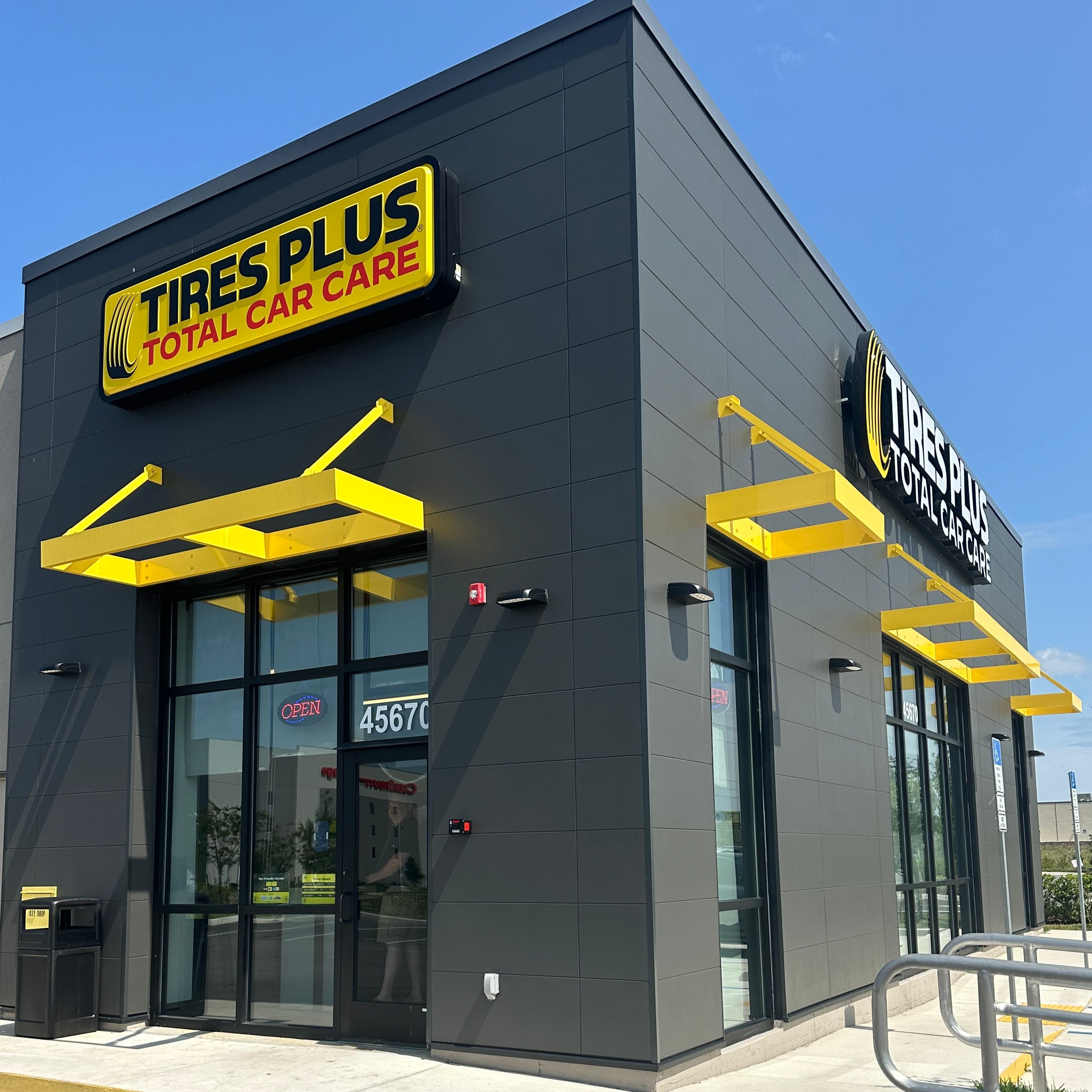



Engineered for Nebraska's Climate
Three things kill shade structures in Nebraska, and hail is the loudest of them. Eastern Nebraska sits under one of the most active hail corridors in North America — supercells that fire along the dryline and roll east over Grand Island, Hastings, Lincoln, and the Omaha metro from May through July routinely drop stones large enough to punch clean through acrylic or vinyl awning fabric and to crease light-gauge steel. The second killer is thermal range. A Lincoln or Norfolk wall can see 100°F-plus in July and 20 below in January; across a year that is a working range near 120 degrees, and every joint on the building expands and contracts through all of it. Fabric shrinks, seams split, and steel frames start weeping rust from the hairline cracks that open where the coating bridges a weld. The third is wind that simply never stops — from the Panhandle and the Sandhills down through the Platte River valley there is almost nothing standing between a prairie storm and your west wall.
All-aluminum construction answers all three at once. Extruded aluminum does not rust, so a hail scar stays a cosmetic dent instead of becoming a corrosion site the way a chipped steel awning does. Every fastener we ship is stainless steel, which matters more in Nebraska than most buyers realize: plated hardware works loose and seizes after enough freeze-thaw cycling, and eastern Nebraska crosses freezing in both directions dozens of times a winter. Our architectural powder coat covers 100% of every surface — top, bottom, edges, and the underside nobody looks at — so there is no bare metal for condensation to find. For exposed sites we spec heavier framing and tighter bracket spacing rather than a one-size bracket kit, and we build the slope to shed snow rather than pond it. We do not publish a wind or snow number for another state's code; we build to the exposure you describe and supply the drawings your contractor or building official needs.