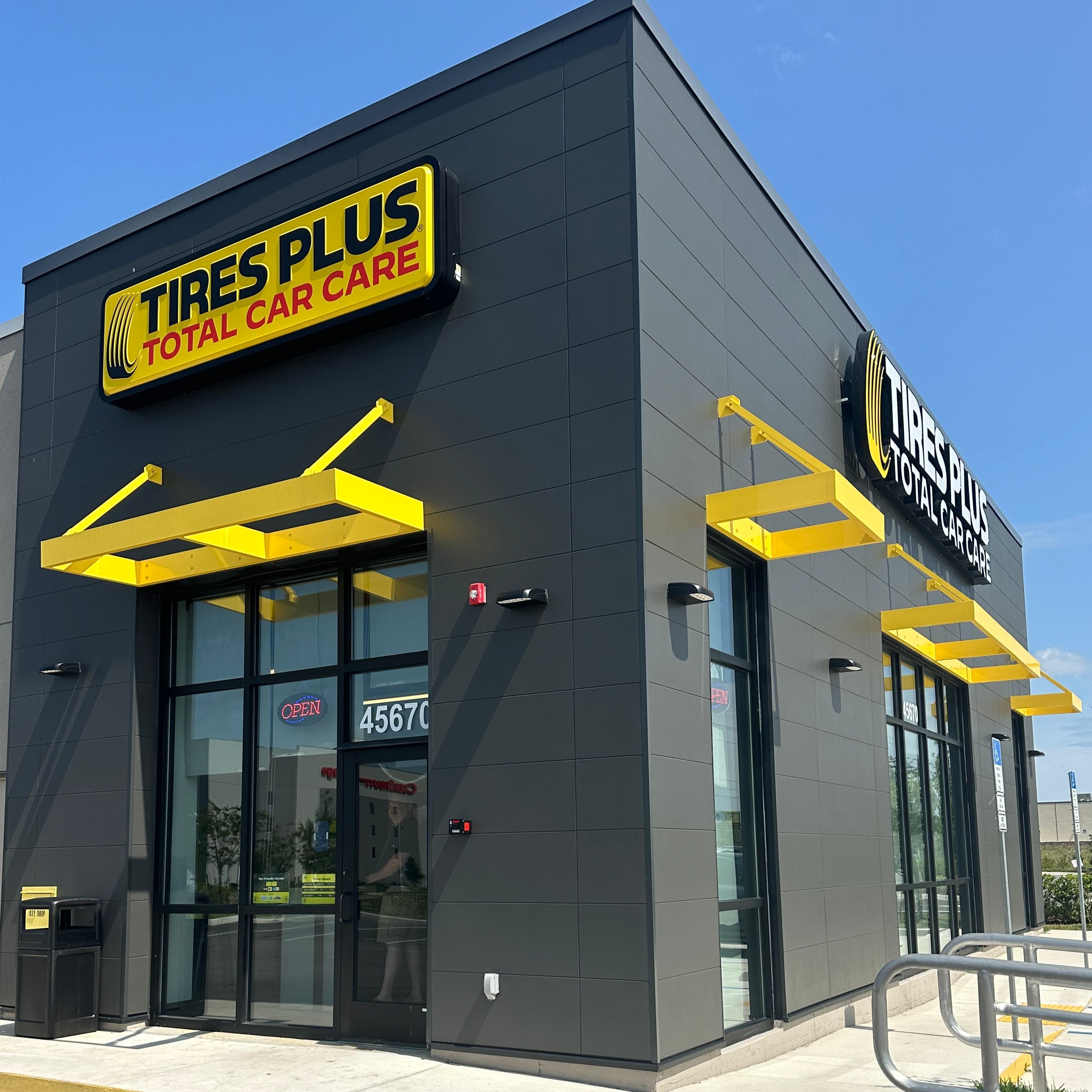



Built for New Hampshire Snow, Ice, and Seacoast Salt
Few states pack this much climate variation into 190 miles. Design ground snow loads run somewhere around 50 to 60 psf across the Merrimack Valley and the eighteen-mile Seacoast, then climb past 100 psf as you move up into the White Mountains and the notch towns, where some jurisdictions sit higher still. Mount Washington still holds the Northern Hemisphere record for a surface wind gust observed by a manned station, and while nobody is hanging an awning on the summit cone, that same weather machine drives the freeze-thaw whiplash the rest of the state lives with: a 45-degree afternoon in February followed by a single-digit night, over and over. Fabric awnings fail in a predictable sequence here. Meltwater wicks into the stitch line, freezes, and jacks the seam apart. Acrylic goes chalky and brittle from UV plus cold cycling. Steel frames start bleeding rust at the welds after two winters of road salt aerosol — and on the Seacoast, in Hampton, Rye, and New Castle, salt fog does the same job without any help from a plow truck. Then there are the ice storms: the December 2008 event coated southern New Hampshire heavy enough to take down trees and lines for a week, and anything with a horizontal surface carried the same glaze.
We answer that with materials, not marketing. Every frame member is aluminum, so rust is off the table permanently. Every fastener is stainless steel, which matters most exactly where corrosion normally starts. And the architectural powder coat wraps 100% of the extrusion — top, bottom, both edges, and the underside that budget manufacturers leave in bare mill finish because nobody looks up there until it is streaking. For patios and decks we usually push New Hampshire buyers toward a retractable: shade from May through foliage season, then the fabric rolls into a sealed aluminum hood in November and the snow-load conversation ends there. Where the project genuinely needs a fixed canopy — a storefront entry, a bulkhead, a door that has to stay clear all winter — we size projection, pitch, and bracket spacing to your actual exposure and hand you drawings for your builder or code officer instead of quoting a rating we have not verified for your site. That is the conversation we have with customers in Manchester, Nashua, and Portsmouth almost every week, and the right answer is different in each of them.