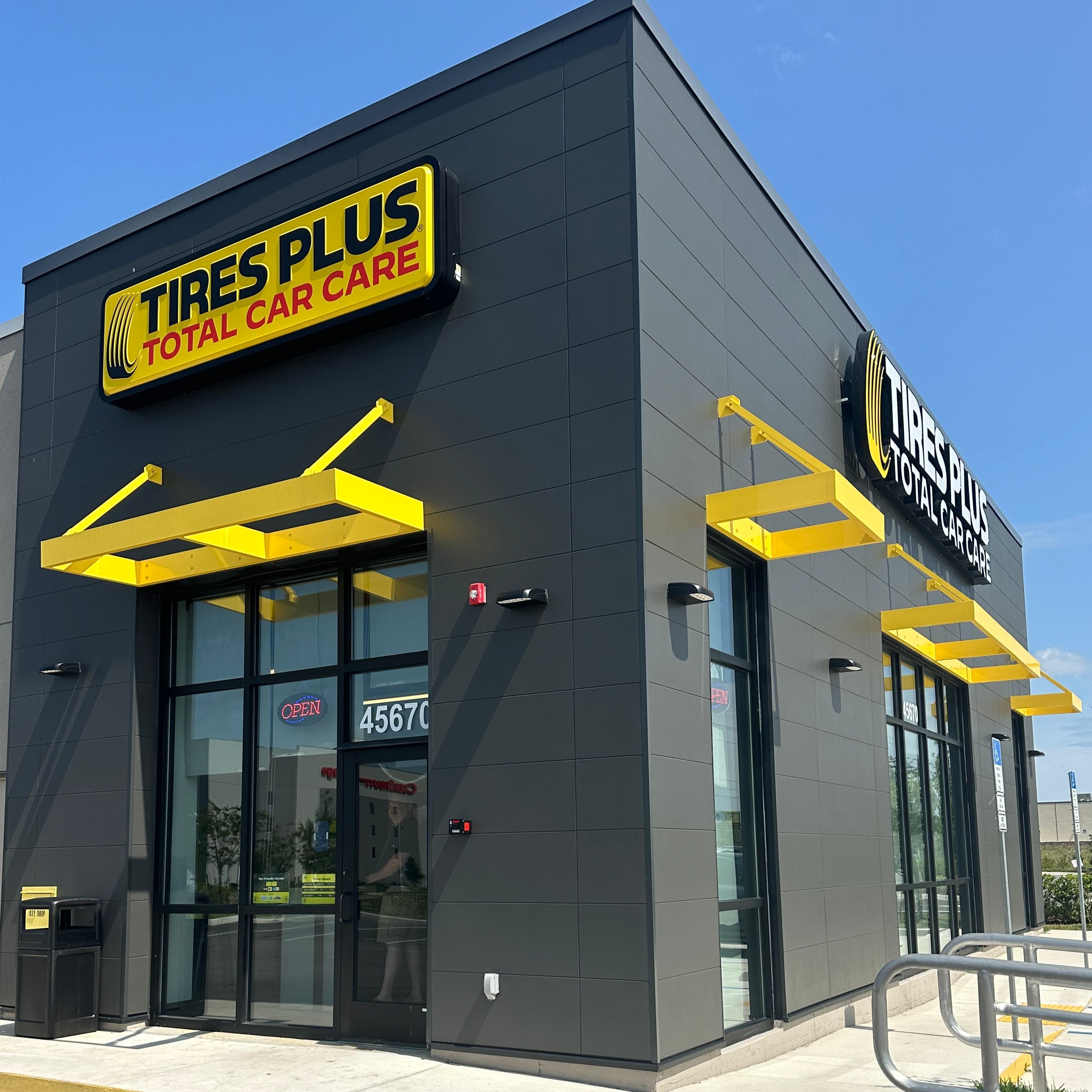



Built for Salt Air, Nor'easters, and North Jersey Snow
New Jersey is a narrow state with two very different weather problems, and an awning here has to survive both. Along the 130 miles of coast from Sandy Hook to Cape May, the air itself is corrosive. Onshore wind carries a fine chloride aerosol several miles inland, and it settles on everything — including the underside of an awning, where it is never rinsed off by rain. That is why steel frames bloom rust at the welds and why plated or galvanized fasteners are usually the first component to fail on a Shore house. Add nor'easters, which are the real structural test: 24 to 48 hours of sustained onshore wind, driven rain, and wind-borne sand, several times a winter, hitting the same face of the building. Fabric awnings get shredded or ripped off their arms; retractables that were left extended rarely survive one.
Inland and up north the threat changes. Sussex, Warren, and Morris counties take real snow and long stretches below freezing, and the whole state gets heavy road-salting — the brine kicked up along the Turnpike, the Parkway, and Route 22 coats every low storefront awning and door hood from Newark through Jersey City all winter. Our answer is one construction that handles both ends of the state. All-aluminum framing and panels, so there is nothing to rust. Stainless steel at every fastener. And architectural powder coat over 100% of the surface — top, bottom, and all edges — because at the Shore the underside is exactly where the salt collects. This is the same build we ship to Florida's Atlantic coast; Atlantic City and Toms River sit well inside its design range.