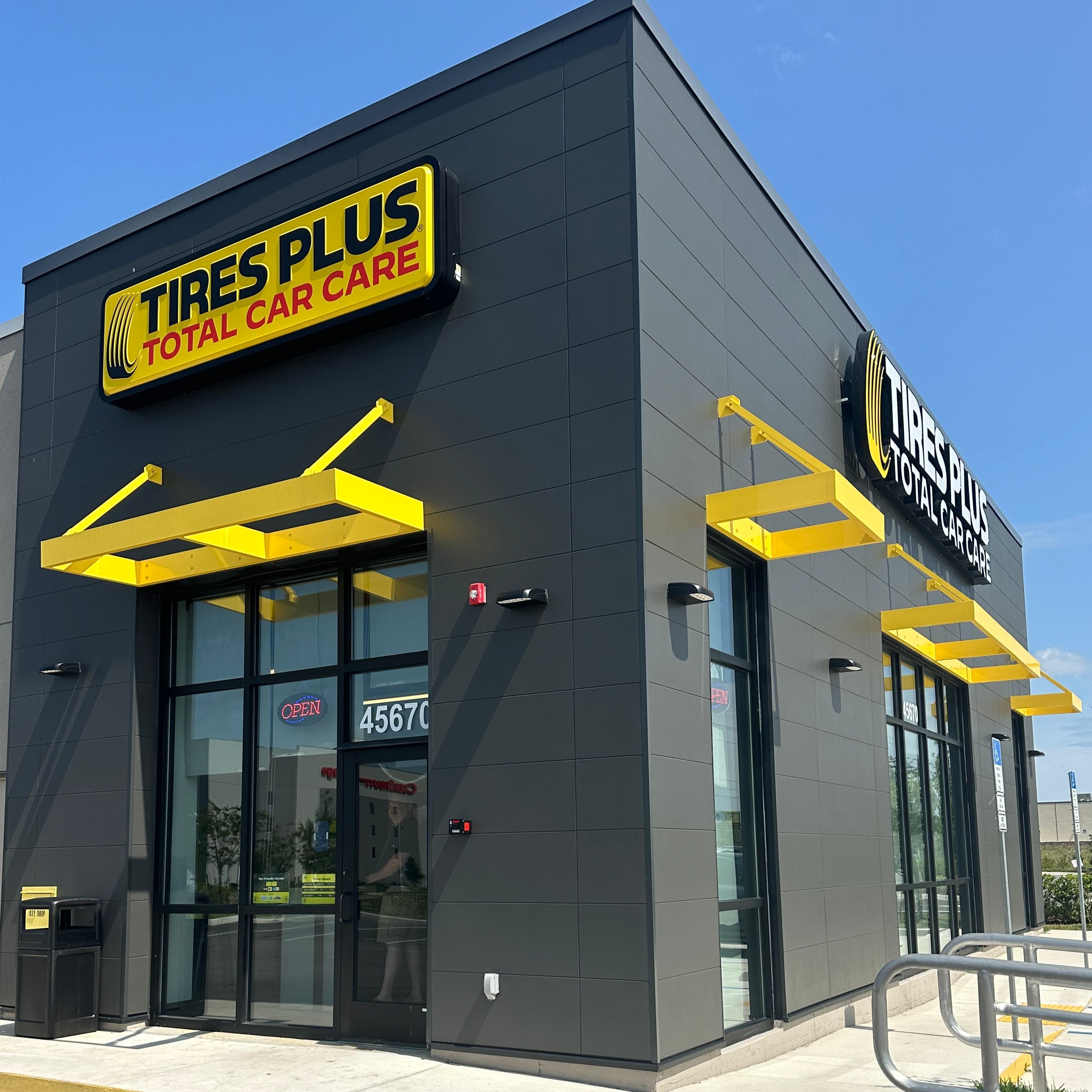



Made for High-Desert Sun and Monsoon Downpours
New Mexico does not have a mild season, it has two hard ones. From April into June the high desert delivers relentless, thin-air sunlight: Albuquerque sits at about 5,300 feet and Santa Fe near 7,200, and ultraviolet intensity rises with every thousand feet of that climb, on top of roughly 300 sunny days a year. Dyed acrylic fabric, wet-painted steel, and thin coil finishes chalk, fade, and go brittle here faster than in almost any other state — a dark finish can shift noticeably within two seasons. Then in July the North American monsoon turns on and the failure mode reverses: an inch of rain can fall in twenty minutes over the Sandias or the Organ Mountains above Las Cruces, and a sagging fabric awning becomes a bucket that dumps the whole load across a doorway. Between the two, the diurnal swing — forty degrees between a June afternoon and the following dawn is ordinary — works every fastener loose over time, and blowing sand off the Llano Estacado and the Chihuahuan Desert sandblasts whatever finish is left.
An all-aluminum, fully powder-coated unit answers all of that in one piece of hardware. The architectural powder coat is baked onto 100 percent of the surface — top, bottom, and every edge — which is what actually holds color under high-altitude ultraviolet, and it is far harder than paint when wind-driven grit hits it. Aluminum will not rot, rust, or check the way a wood portal beam does in this dryness. Stainless steel fasteners will not seize or bleed as the metal expands and contracts through those daily temperature swings. And for monsoon season we build canopies that manage water on purpose: G-gutter and C-gutter profiles carry runoff along the fascia to a downspout at the end of the run instead of curtaining it over your entry, and a pitched standing-seam or open-tube canopy sheds a cloudburst rather than holding it. Mounting is the other half of the job in New Mexico, where the wall might be structural adobe, mud plaster over adobe, stucco over CMU, or three-coat stucco on a wood-frame back-up — four completely different anchoring problems. We ask what is behind the stucco before we ship, detail the anchor pattern so it reaches structure rather than the plaster coat, and supply drawings for your contractor. We spec to your exposure; we do not claim a code approval in a state we do not build in.