


Engineered for North Dakota's Extremes
No state in the country asks a building material to cover more ground. North Dakota's official temperature records run from 121°F at Steele to 60 below at Parshall — a 181-degree spread, the widest of any state we ship to. A wall in Bismarck or Jamestown lives inside that range every single year, and the failure it causes is not dramatic; it is cumulative. Acrylic and vinyl awning fabric turns brittle in deep cold and cracks along the fold line the first time somebody retracts it at 20 below. Plated hardware works loose as steel and aluminum expand and contract at different rates. Painted steel frames rust from the inside out once thermal cycling opens a hairline in the coating. The second problem is snow that never falls straight down. On the Red River Valley floor — the old glacial Lake Agassiz lakebed under Fargo, Grand Forks, and Grafton, some of the flattest ground in North America — and out across the Drift Prairie and the Missouri Coteau, there is no windbreak. Snow travels horizontally, then stops on the lee side of the first obstruction it meets and stacks there. A north- or east-facing entry canopy is exactly that obstruction, and it can be carrying a drift far heavier than the season's snowfall total would suggest.
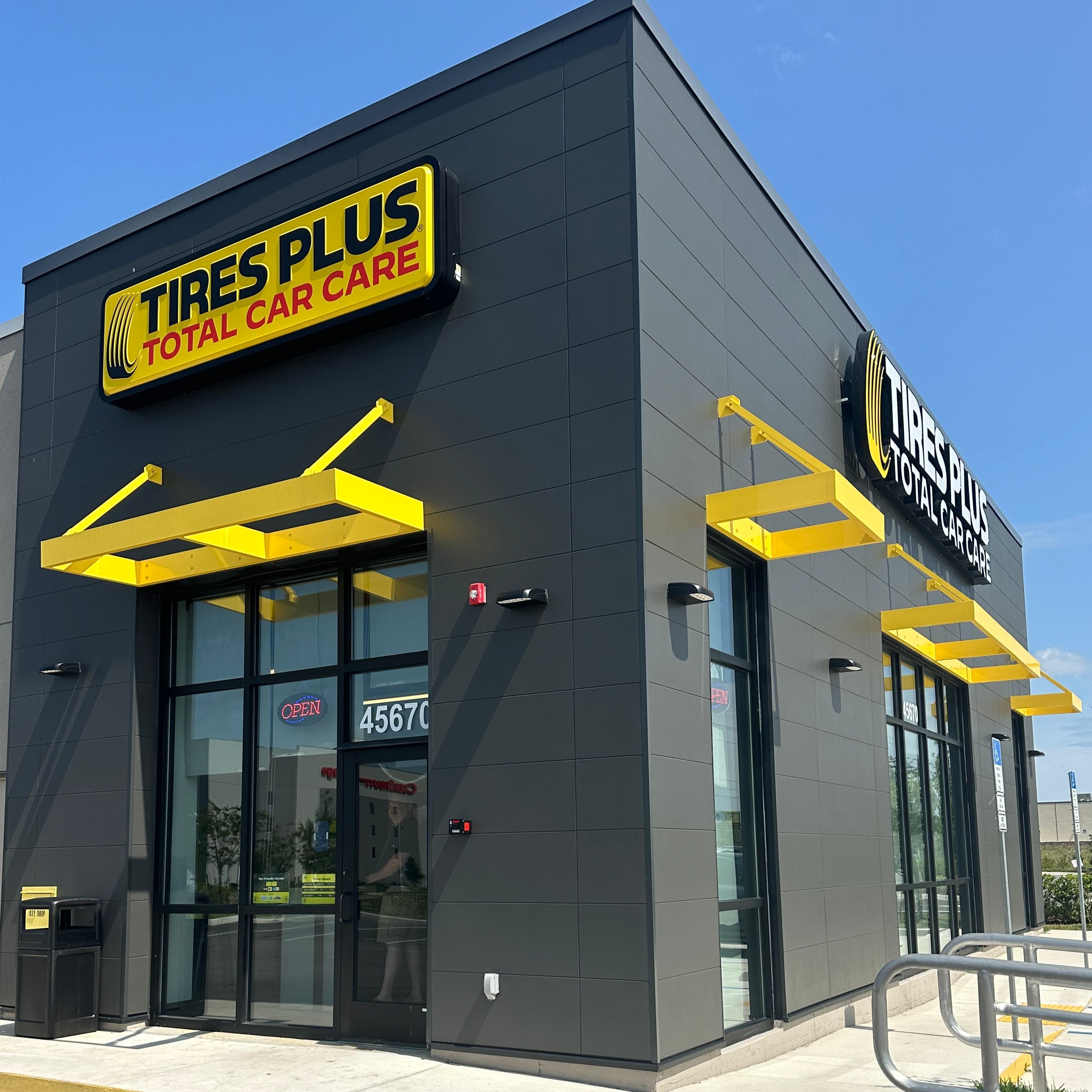
That is why we build in extruded aluminum with stainless steel fasteners at every connection and architectural powder coat over 100% of the surface — top, bottom, edges, and the underside where cheap awnings are left bare and start failing first. Aluminum does not rust, does not get brittle at 40 below, and does not need repainting after five Dakota winters. For North Dakota orders we build slope to shed rather than pond, increase bracket count and framing gauge for open-country exposure, and detail the wall connection to avoid trapping meltwater against the sheathing. What we will not do is put a snow-load number on a page: ground snow loads in North Dakota are set locally and vary widely across the state, so we build to the exposure and load you or your building official specify, and we supply the drawings for your review. Out west — Dickinson, Williston, Watford City, the Badlands country — add high-plains UV and much drier air to the list, which is another argument against fabric and for a baked-on powder coat.