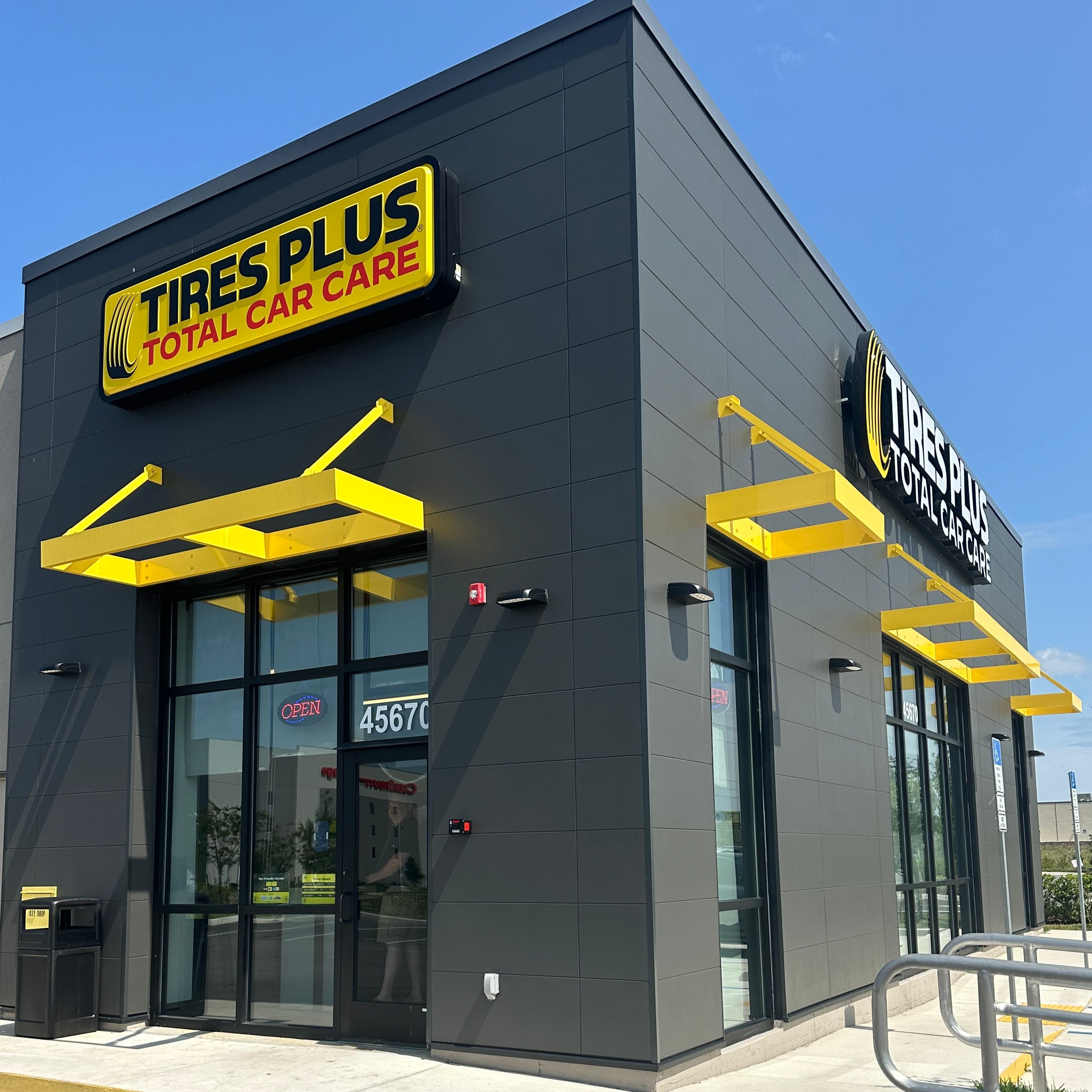



Engineered for Ohio's Freeze-Thaw and Lake-Effect Winters
What breaks awnings in Ohio is not one dramatic storm — it is repetition. Central and southern Ohio hover right at the freezing line for months, crossing 32°F back and forth dozens of times between November and March. Every one of those cycles drives meltwater into fabric seams, stitching holes, and steel fastener penetrations, freezes it, and expands it. A season of that opens a stitched awning a fraction of an inch at a time. Northeast Ohio has the opposite problem: the primary snowbelt through Geauga, Lake, and Ashtabula counties east of Cleveland routinely takes triple-digit seasonal totals of lake-effect snow off Lake Erie, and lake-effect snow is wet and heavy, so it ponds in any surface that sags. Toledo and the western Erie shore add sustained wind coming straight across open water with nothing to break it.
Then there is the salt. Ohio spreads road salt and liquid brine aggressively from Thanksgiving through March, and the mist thrown by traffic coats the underside of every storefront awning and entry canopy within thirty feet of a curb — which is most commercial awnings in the state. Our answer is a system with nothing for that chemistry to attack: all-aluminum extrusions that cannot rust, stainless steel fasteners at every connection, and architectural powder coat applied to 100% of the surface including the underside and the cut edges, which is precisely where cheaper units are left bare and start failing. There is no fabric, no stitching, and no seam to wick water. Retractable models close flat against the wall, so nothing carries a snow load at all in January. For fixed canopies we spec framing and rafter spacing to the exposure you describe and supply drawings for your own permit or engineering review rather than claiming an Ohio code approval we did not obtain.