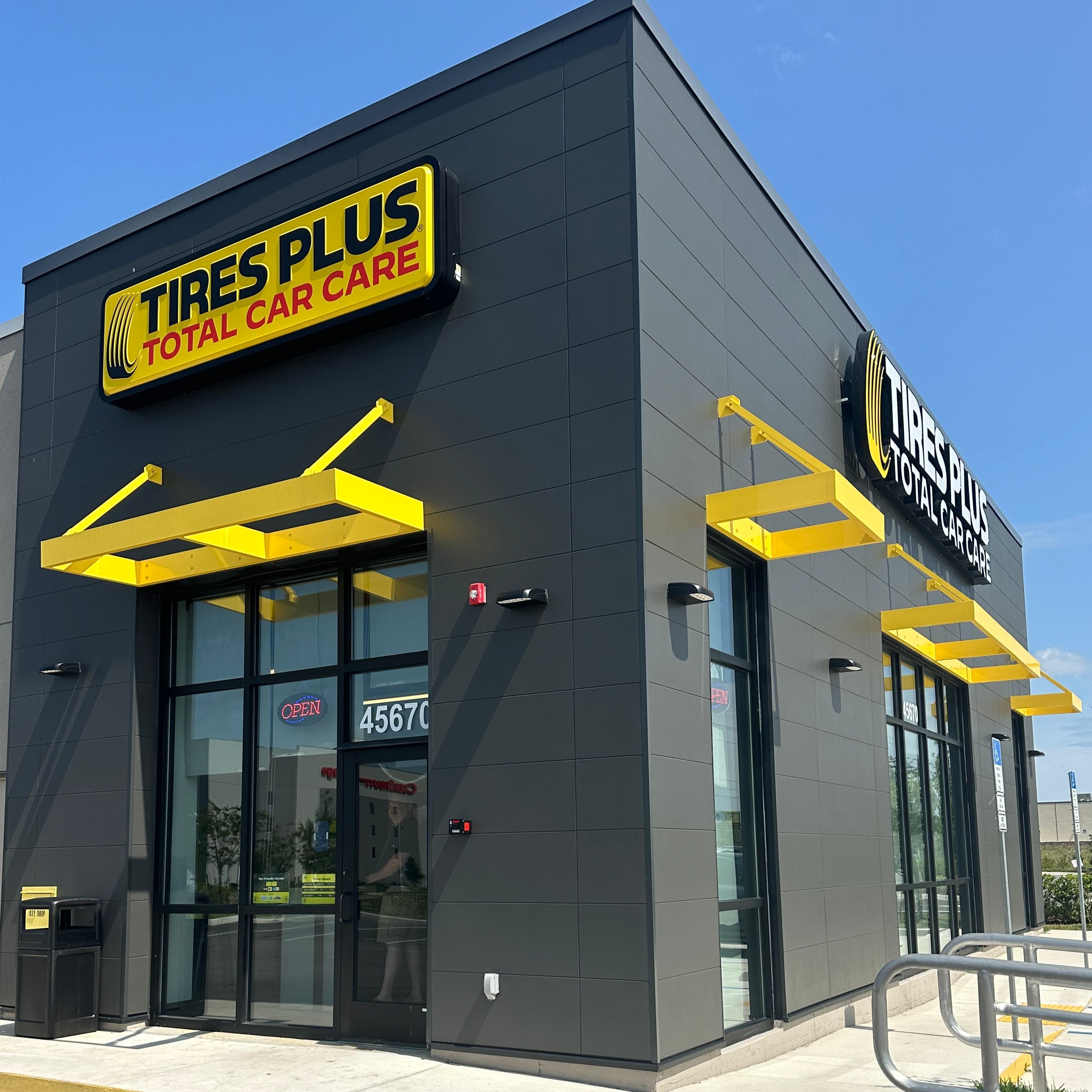



Built for the Lowcountry, the Grand Strand, and the Upstate
South Carolina is a corrosion state before it is anything else. From Little River down through Georgetown, Charleston, Beaufort, and Hilton Head, the coastal counties sit in the wind-borne debris region of the state building code, and the air carries chloride well past the marsh line — anyone in Mount Pleasant who has watched a set of gate hinges go orange in one summer knows the pattern. The characteristic awning failure here is never dramatic. It is a plated screw head weeping rust down a piazza column, a steel support tube bleeding through its paint at the weld, or a cut aluminum end that was never coated blooming white powder and then pitting. Then a tropical system comes up the coast and the corroded connection is the one that lets go. Inland the enemy changes shape: Columbia is one of the hottest capitals in the country in July, and the Midlands and Upstate stack weeks of upper-90s heat on high dewpoints that swell, cup, and rot wood pergola rafters. Greenville and Spartanburg add a wrinkle the coast never sees — a freezing-rain event every few winters that loads a horizontal structure with ice.
We answer all of it with material choice rather than coatings applied after the fact. The framing is aluminum end to end, so there is no ferrous metal in the assembly to corrode. Fasteners are stainless steel at every connection. Architectural powder coat goes on 100% of the surface — topside, underside, ends, and every machined edge — which is precisely where imported and dealer-assembled awnings leave bare metal exposed. Because we run the shop, we set gauge, projection, rib spacing, and anchor pattern against the exposure you describe: an oceanfront elevation on Isle of Palms is not built like a shaded Forest Acres patio. We supply stamped-ready shop drawings for your engineer or your county plan reviewer rather than quoting a wind number we did not test in your jurisdiction.