


Engineered for Tennessee's Freeze-Thaw Winters
Tennessee does not get one long hard freeze. It gets dozens of small ones. From November through March, Nashville, Knoxville, and the Cumberland Plateau cross the 32°F line over and over — warm rain in the afternoon, hard freeze overnight, thaw again by noon. That oscillation is the single most destructive thing that can happen to a fabric awning. Moisture wicks into the stitching and into the weave of coated polyester, freezes, expands, and opens fissures in the acrylic or vinyl topcoat. Run that cycle forty or fifty times a winter and the result is predictable: the fabric shrinks off its roller bar, seam thread abrades, grommets pull through, and what was taut in October is baggy and blotched with mildew by April. Wood frames swell and check. Steel frames rust from the welds outward, usually where you cannot see them.
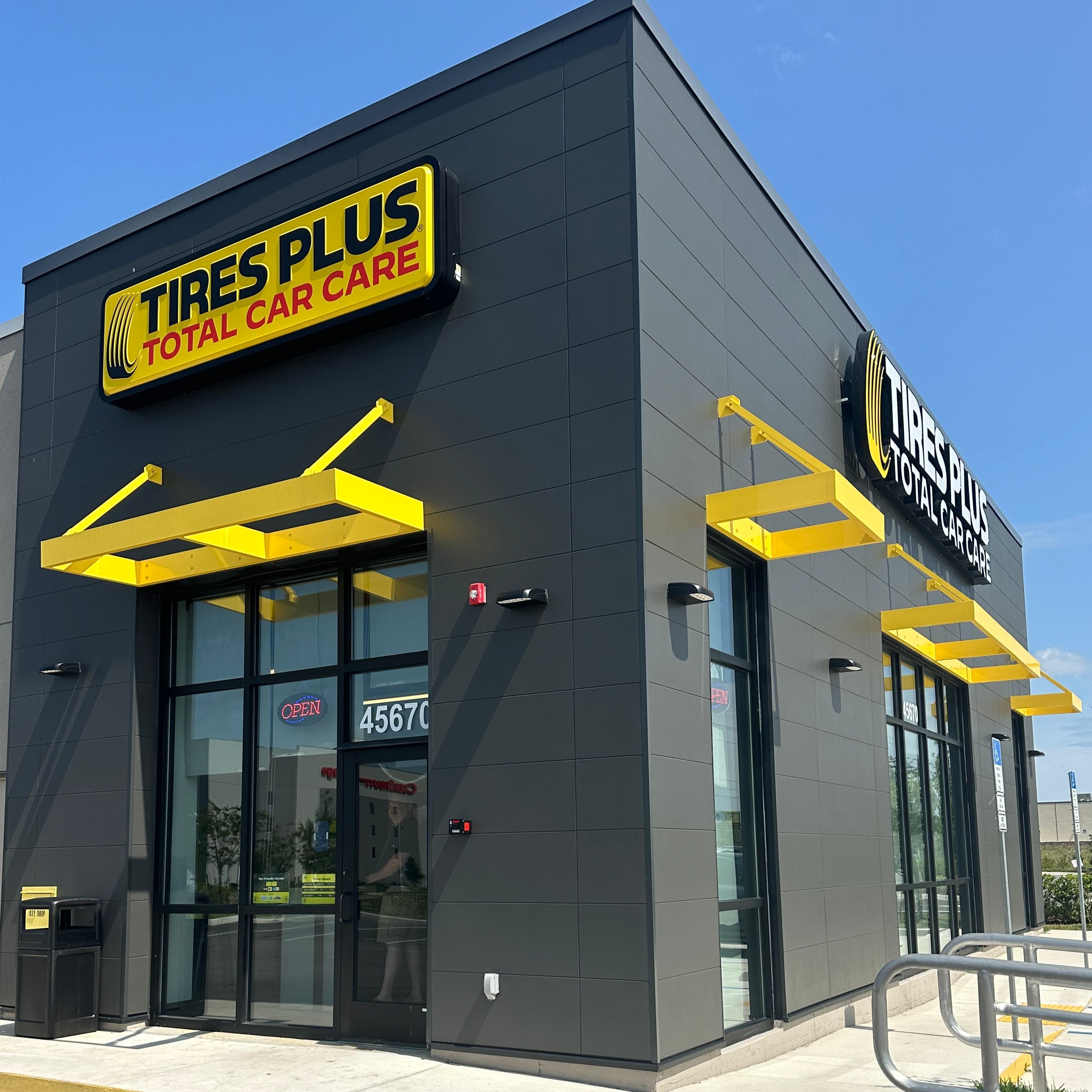
Then spring arrives, and Middle and West Tennessee sit squarely in the corridor forecasters call Dixie Alley — the same fronts that green up the state deliver straight-line wind, derecho gusts, and hail that shreds fabric and dents thin sheet metal. We build for both halves of that year with one construction: extruded and welded aluminum that will not rust, absorb water, or grow brittle in the cold; stainless steel fasteners at every connection so no dissimilar-metal joint becomes the first failure point; and architectural powder coating over 100% of the surface — top, bottom, and every edge — so freeze-thaw has no exposed fiber to wick into and no bare substrate to attack. We spec projection, pitch, and attachment to your specific exposure and supply drawings with the order; we do not sell you a wind number we have not engineered for your wall.