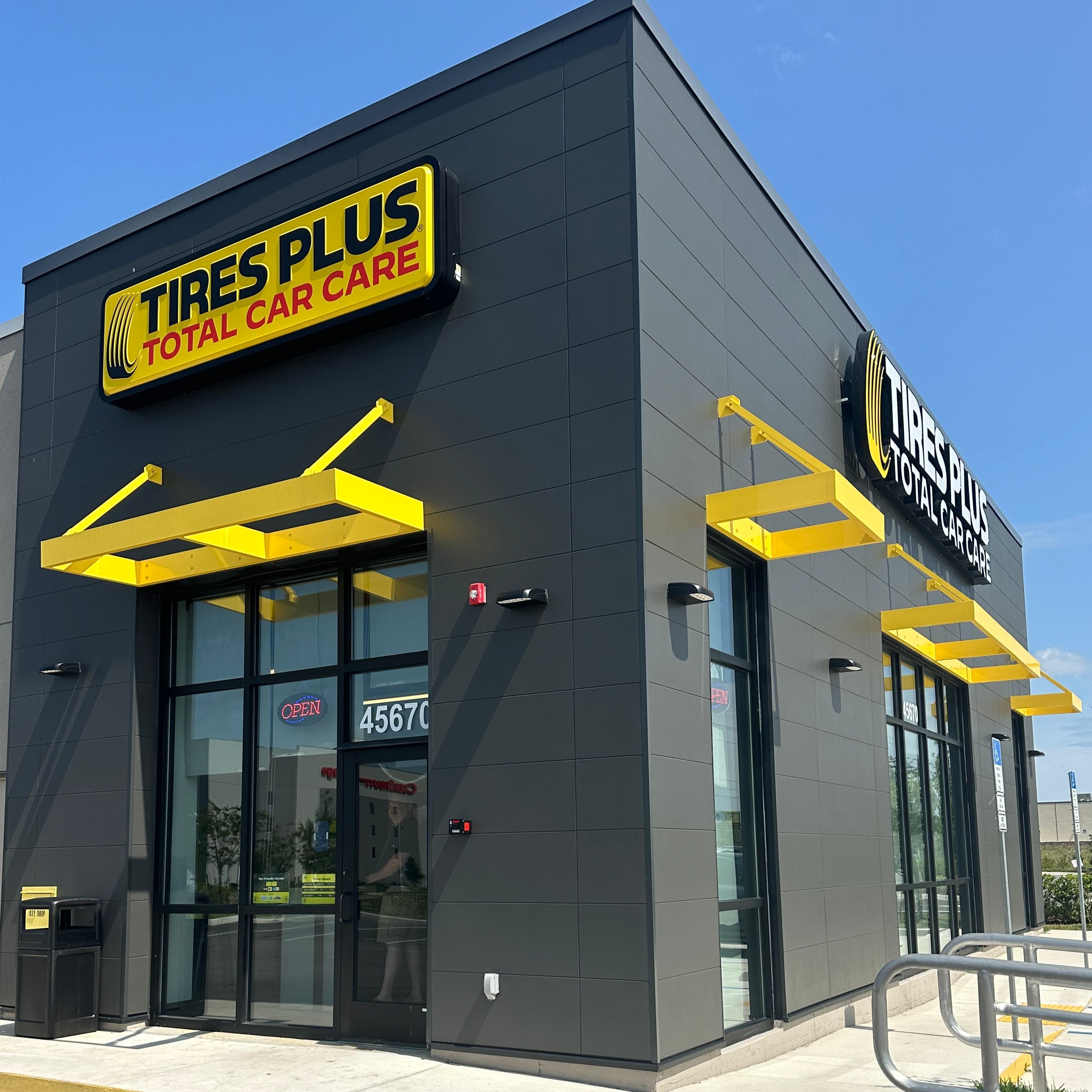



Engineered for Utah Sun and Utah Snow
Very few states ask an awning to survive both extremes in the same twelve months, and Utah does. Salt Lake City sits above 4,200 feet, Park City above 6,900, and ultraviolet intensity climbs several percent for every thousand feet of elevation you gain. Add thin, dry air and more than 200 sunny days, and the summer sun along the Wasatch Front hits a west-facing wall far harder than the thermometer suggests. That is what kills fabric awnings here: the acrylic chalks and fades, and the polyester thread in the seams degrades faster than the cloth itself, so panels split along the stitch line first. Then in November the same weakened awning has to take valley snow off Wasatch storms and lake-effect bands off the Great Salt Lake, where wet snow ponds in a sun-fatigued panel until it tears or bows a light steel frame.
Our answer is construction that does not care about either season. Extruded aluminum members do not photodegrade, rot, or rust. Every connection uses stainless steel fasteners, so the freeze-thaw cycling that works its way into penetrations along the Bench and up Big and Little Cottonwood cannot start corrosion inside a joint. The architectural powder coat covers 100% of the surface — top, bottom, and every cut edge — which is where cheaper awnings are left bare and fail first. Fixed aluminum awnings and standing-seam canopies shed snow rather than collect it, and there is no fabric to strip off in October. For genuine snow country such as Park City, Heber, Logan, and the canyons, we spec frame members, bracket spacing, and post count to the ground snow load and exposure you give us and supply drawings for your building department. We do not publish a blanket rating, because Utah snow loads swing enormously between the valley floor and 7,000 feet. Down in Washington County, St. George and Ivins live on the edge of the Mojave with 105°F-plus summers, and there the UV half of the equation is all that matters.