


Engineered for Vermont Winters
Vermont is the hardest winter we ship into. Design ground snow loads climb from roughly 50 psf in the Champlain Valley to well past 100 psf at elevation in the Green Mountains and the Northeast Kingdom — but the load that actually destroys shade structures here is rarely the snow that falls on them. It is the snow that lets go of the roof above. Vermont roofs are overwhelmingly standing seam metal on a steep pitch, and a full winter pack releasing all at once onto anything mounted below the eave is a shock load, not a static one. Layer on ice dams pushing meltwater back over the fascia and the state's relentless freeze-thaw cycling, and you get the three failure modes we design around. Meltwater wicks into fabric stitching during a February thaw, refreezes overnight, and splits the seam. Acrylic goes brittle and chalky. Steel frames weep rust from every weld and screw hole after two seasons of road salt spray and condensation.
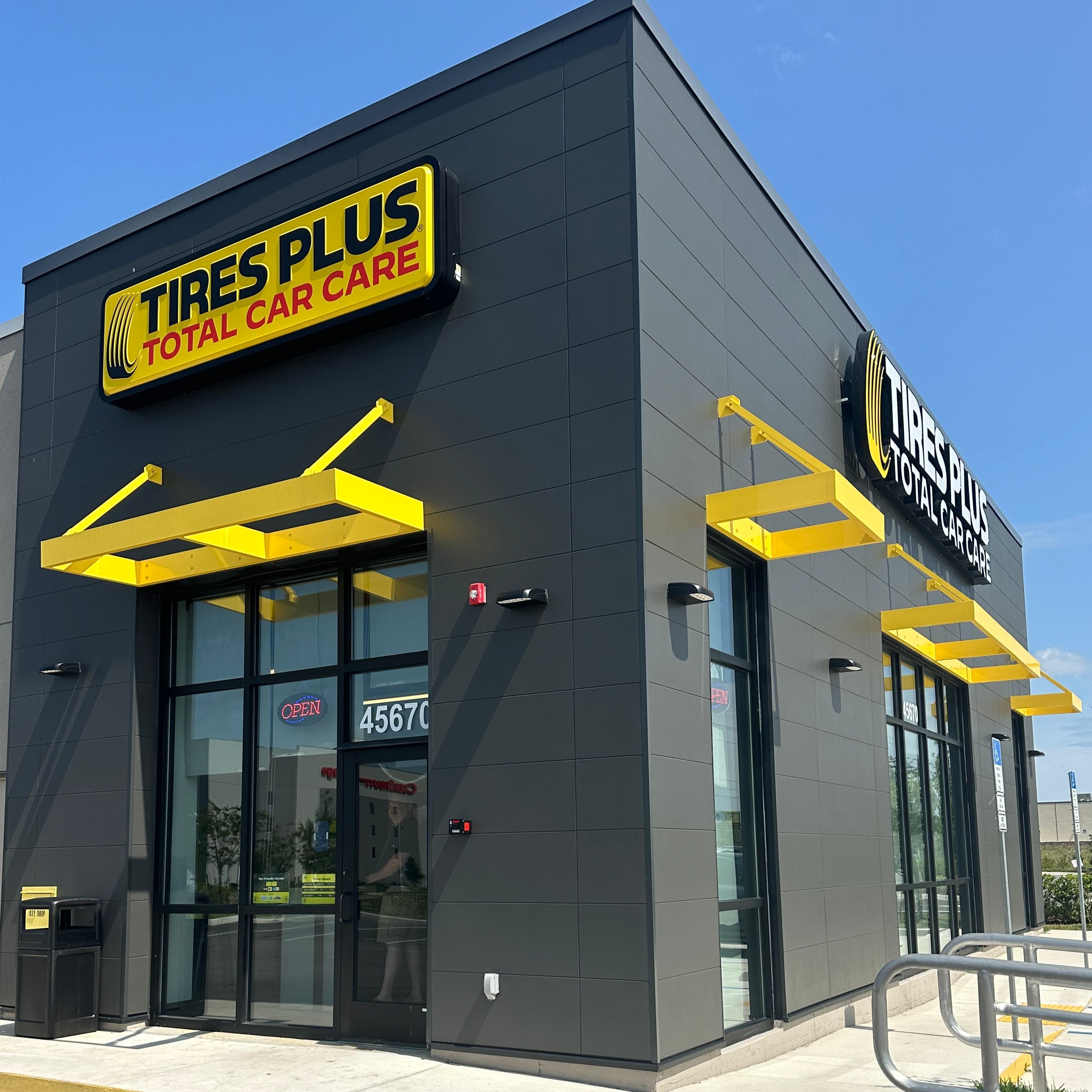
Our answer is structural rather than cosmetic. Frames are all aluminum, which cannot rust however many freeze-thaw cycles it sees; every fastener is stainless steel, so the connections never become the weak point; and the architectural powder coat covers 100% of each surface — top, bottom, every edge, and the underside where cheaper awnings are left in bare mill finish and begin corroding first. For most Vermont homes we also steer people toward a retractable rather than a fixed unit: full shade over the deck from May through October, then the fabric rolls into its aluminum hood before the first real storm, which takes the snow-load question off the table entirely. Where a fixed canopy is the right call — an entry that has to shed weather year-round — we spec projection, pitch, and bracket spacing to your specific exposure and supply drawings for your builder or code officer rather than quoting a rating we have not verified for your site. It is the same conversation we have every week with customers in Burlington, Stowe, and Rutland, where elevation and roof geometry change the answer street by street.