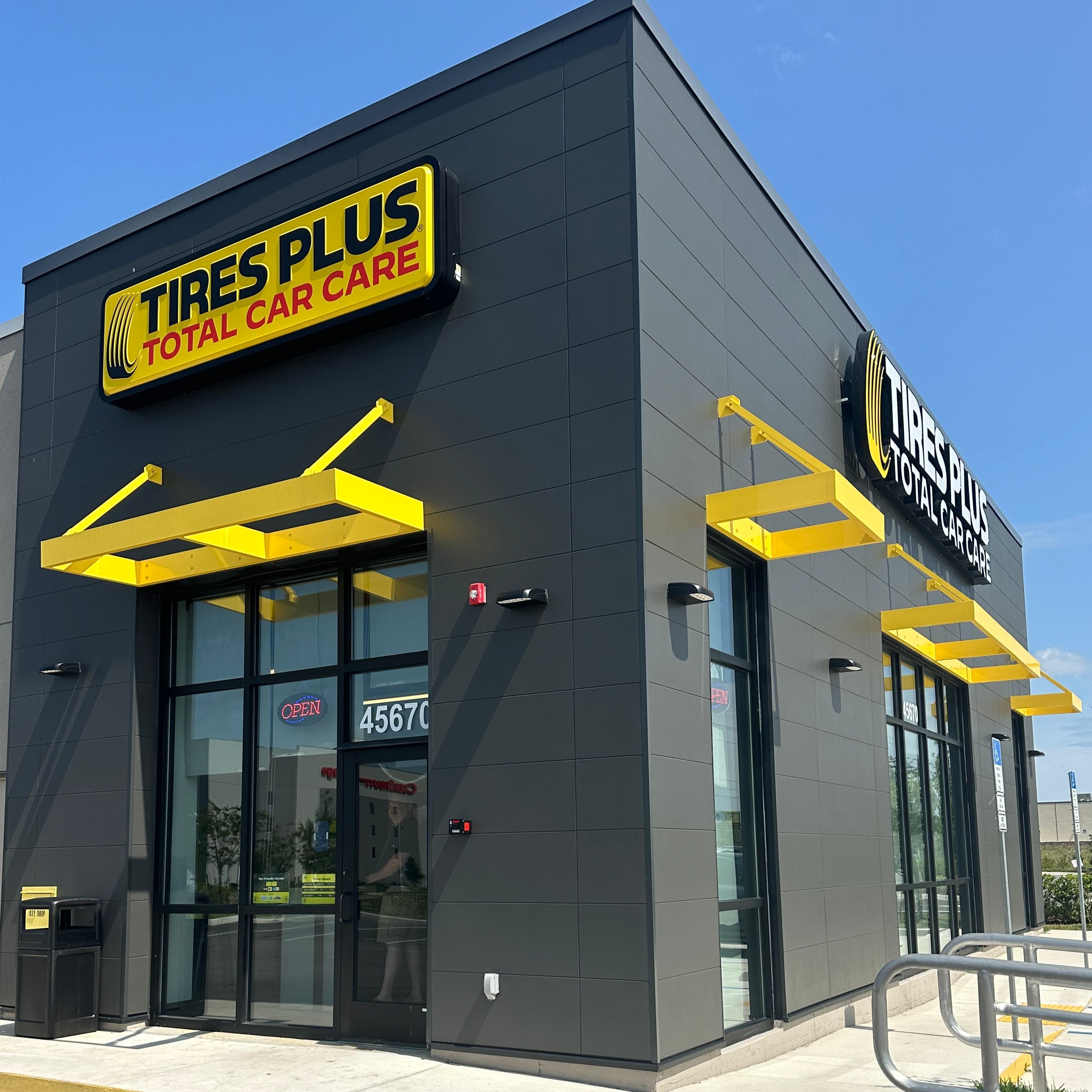



Built for the Windiest State in the Lower 48
Nowhere else in the country does an exterior structure live with wind the way it does in Wyoming. The state posts the highest average wind speeds in the contiguous United States, and the numbers are not driven by rare storms — they are driven by ordinary Tuesdays. The I-80 corridor between Laramie, Arlington, Elk Mountain, and Rawlins closes to light and high-profile vehicles on a routine winter schedule, and Cheyenne and Casper spend much of the cold season under a gradient that never really lets up. That constant, rather than any single gust, is what kills fabric. A canvas awning is a sail: it flutters thousands of cycles a day, and the fatigue shows up first as abrasion where the fabric wraps the roller, then as popped stitching at the seams, then as elongated grommets and loosened arm pins. Wood pergolas fail the same way at their fasteners, and ground blizzards drive fine, dry snow into every joint where it melts, refreezes, and levers connections apart. Layer on genuine alpine snow load in Jackson, Teton Village, Alpine, and the Star Valley, and thin-air ultraviolet at elevations that make Laramie one of the highest cities in the nation at roughly 7,200 feet, and organic materials simply do not last here.
Aluminum does. It has no fibers to fray, no grain to split, and no rust chemistry to start at a fastener. We build the whole assembly in it — frame, cover, and trim — fasten every connection with stainless steel so nothing corrodes or streaks a stone or log wall, and apply architectural powder coat over 100% of each surface, including the undersides and cut edges where wind-driven grit and reflected UV attack a partial coating first. For high-exposure Wyoming sites we usually recommend a fixed aluminum awning or a welded architectural canopy over a retractable, because a rigid structure does not have a fabric membrane to flutter or arms to fatigue; when a customer does want a retractable, we specify a motorized unit with a wind sensor and we are direct about the fact that it needs to be retracted when the wind comes up. Every unit is built to the exposure you describe, and we supply drawings so a Wyoming contractor, engineer, or building department can review the attachment and anchorage against local wind and snow requirements. We do not put a blanket wind rating on a unit for conditions we have not inspected.